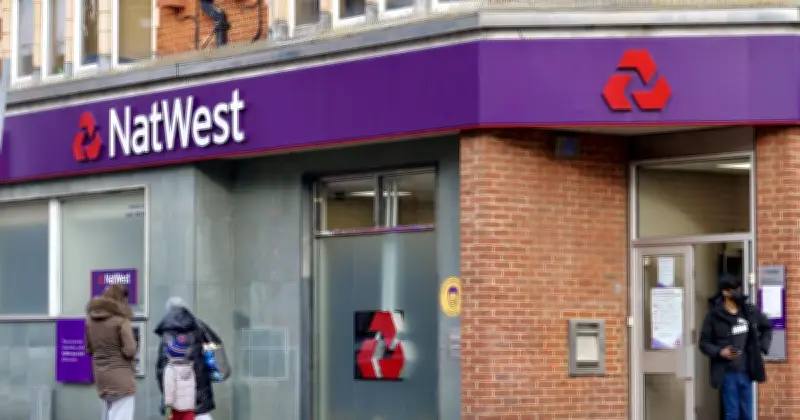
NatWest customers are the latest targets of fraudsters, with fraudulent emails being sent out posing as from the bank. The scam email has been added to the list of scam alerts from the consumer group Which?.
How the scam works
The email appears to use accurate branding, including the bank's signature purple, to trick people. The message instructs people to act to ensure that their information is up to date, a common request made by scammers. The email includes a malicious link that will lead to a site masquerading as NatWest, and your personal details will be vulnerable if you enter them as asked.
People who receive the email have been urged to forward it to report@phishing.gov.uk. In fact, the email aims to put recipients at ease, with a statement at the top that says: "We'll always include your name and the last four digits of an account you have with us, so you know our emails are genuine."
What the email asks
Then, under a NatWest logo, the email asks the recipient to take a moment to review the information associated with their account and make sure it's "accurate and up to date". It asks the recipient to complete this update "at their earliest convenience" and includes a button labelled "Review Your Account Information".
Below that request, the email states: "Keeping your information current helps us maintain accurate records and provide you with uninterrupted access to our services".
How to stay safe
NatWest advises its customers to ignore unexpected generic emails and states that it will always include some of their personal details in its emails, such as part of their name and postcode. If you receive a suspicious email claiming to be from NatWest specifically, you can forward it to phishing@natwest.com.
It also says that customers should avoid clicking links, QR codes, or attachments from unknown sources. Additionally, they can visit the bank's official website to check the information.
Listing examples of ways to spot a fake email claiming to be from NatWest, the bank says to look out for fake email addresses, offers that appear too good to be true, pressure tactics (such as asking you to complete something with a sense of urgency) and requests to transfer money.
Additionally, scammers often threaten you with fines or even criminal charges if you don’t take action, which can make you panic. NatWest also points out that scammers can make emails look very convincing by using email addresses similar to those of organisations they are impersonating.
Other scams circulating
Several scams are currently circulating in the UK, with scammers aiming to gain access to personal information or money. UK drivers have been receiving scam text messages claiming they have been caught speeding and urging them to follow a link.
Meanwhile, fraudulent emails pretending to be from Hulu are urging people to update their payment details, offering them a dodgy link to do so. A Barclays scam text has also been sent to many people in the UK, claiming a direct debit has been set up and providing a fraudulent phone number to call to cancel the payment.