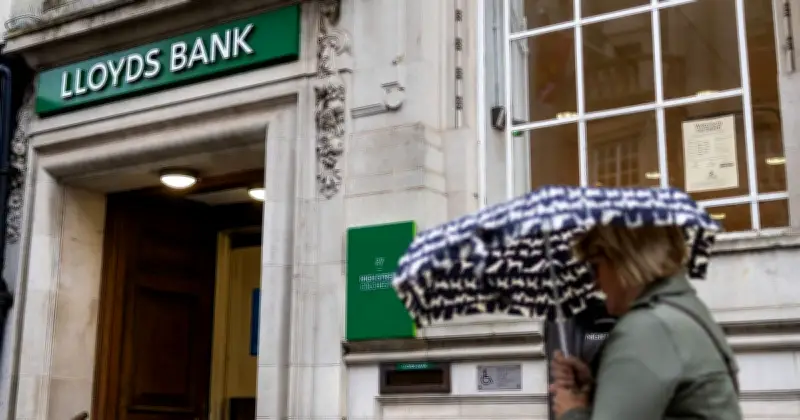
Lloyds Bank has issued an urgent warning to shoppers hunting for Black Friday bargains, revealing that victims of purchase scams are losing an average of £777. Fraudsters are expected to exploit the busy shopping period by advertising fake deals and tempting customers with products at unusually low prices.
Rise in purchase scams
New figures from Lloyds show spending during Black Friday week last year was 27% higher than the average weekly spend across 2025, highlighting the scale of the shopping frenzy. However, the bank has warned that the rush to secure a bargain could leave customers vulnerable to criminals.
The number of purchase scams increased by 6% over the past 12 months compared with the previous year, while the average amount lost by victims rose by 10% to £777. A purchase scam happens when someone is tricked into paying for goods or services that do not exist or are never delivered.
How fraudsters operate
Criminals often advertise sought-after products at tempting prices through social media, online marketplaces and fake websites, hoping to catch out shoppers looking for a discount. Liz Ziegler, fraud prevention director at Lloyds, warned that seemingly attractive offers could end up costing customers hundreds of pounds.
She said: “Black Friday is all about finding a bargain, but what looks like a great deal can end up being an expensive mistake. We know spending is significantly higher during Black Friday week, and criminals will be looking to take advantage of this by tempting shoppers with convincing offers for products that simply don't exist.”
Advice for safe shopping
Ms Ziegler urged customers to stick to reputable retailers and take particular care when buying through social media and online marketplaces. She added: “The safest Black Friday deals are found with reputable retailers, so be especially careful when buying through social media and online marketplaces. If an item is much cheaper than everywhere else and the seller is putting you under pressure to pay quickly, stop and think before sending any money.”
The bank has also shared several tips to help shoppers avoid falling victim to fraud during the sales period. Customers are advised to compare prices with established retailers and be suspicious of heavily discounted products that are difficult to find elsewhere.
Shoppers should also take extra care when buying through social media, where it can be difficult to establish whether a seller, profile or product is genuine. Lloyds recommends using a debit or credit card when shopping online, as card payments can provide additional protection if something goes wrong. A seller refusing to accept card payments could also be a warning sign.
Customers should never feel pressured into completing a purchase quickly, particularly if a seller sends repeated messages urging them to pay immediately. Finally, Lloyds has urged people to pay attention to warnings displayed by their bank when setting up a new payee or making an unusual payment.
Ms Ziegler said: “A genuine bargain will still be a bargain after you’ve taken a few minutes to check that the seller and item are real.”