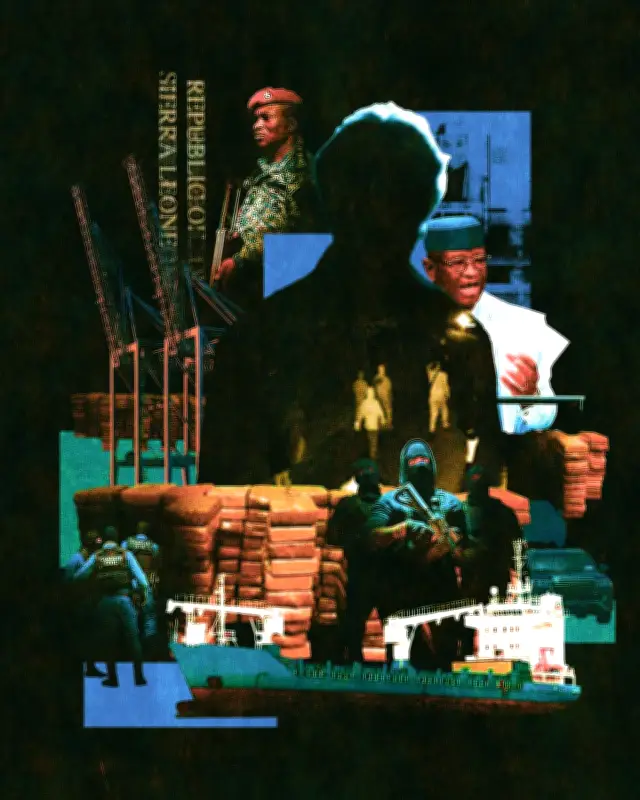
A Guardian investigation has found that Jos Leijdekkers, Europe's most wanted cocaine trafficker, has transformed Sierra Leone into the world's first true narco state, with at least 14 people killed on his orders and high-ranking police believed to have been murdered.
The investigation, drawing on dozens of interviews with intelligence and police officers across two continents, reveals the murderous cost of the cocaine trade. Leijdekkers, 35, is also the son-in-law of Sierra Leone's President Julius Maada Bio.
Abductions and Murders in Freetown
In October 2025, Alan Jalloh, a 40-year-old shopkeeper, was abducted outside Goodies supermarket in Freetown by white men in balaclavas. Two friends, including a famous footballer, were also seized. Within a week, nine people had been taken from the city's streets, most in broad daylight. Police sources said they were dismembered; at least one was beheaded. An officer investigating Jalloh's abduction said: "They were exterminated to hide the truth." No bodies have been found.
Intelligence indicates Jalloh was seen to have "betrayed" Leijdekkers over a cocaine deal. Police tracked down the black Toyota Rav4 used in the kidnapping, but three arrested kidnappers were released the same day after senior officers intervened. The lead investigator was abruptly transferred.
The Arconian Seizure
Five months after Jalloh disappeared, the cargo ship Arconian left Freetown. In May, Spanish civil guards boarded it 100 miles off Morocco's coast. They found 1,279 bales of cocaine weighing between 30 and 45 tonnes - the largest amount of the drug ever seized. The gunmen guarding the drugs had orders to kill anyone who threatened them, and thought the officers were rival criminals.
Spanish civil guard officer Lucas Fernández said: "It was crazy... They thought we were an organisation come to rob the drugs. It was very tense. Anyone - them, us - might have fired." The seizure shattered previous understanding of cocaine trafficking, as Leijdekkers appeared certain his €812m (£687m) cargo would reach Europe. No attempt was made to conceal the drugs.
State Capture and Corruption
Leijdekkers married President Bio's daughter, Agnes, and started a family. Immigration chiefs secured him a diplomatic passport. According to intelligence, he was generating a $150m (£113m) monthly profit - greater than the running cost of Sierra Leone's entire state. Hundreds of people were on his payroll, including senior military and police figures. Port officials on his payroll make $2,000 a month - more than 30 times the national average.
In January 2025, the Dutch sent an extradition request for Leijdekkers, who had been sentenced in absentia to more than 100 years in prison. Sierra Leone denied knowing the man. "It is state capture by a criminal network on a scale never seen," said a western official.
Western Complicity and Expanding Network
The EU continued to woo Bio's government despite detailed intelligence of the cocaine exports, and the UN overlooked its own evidence. The EU has given hundreds of millions of euros in aid, and in June 2026 opened a chamber of commerce in Freetown. The Dutch justice minister wants to freeze development aid, but only €18m has been suspended.
Leijdekkers' network is expanding across west Africa, with bases in Liberia, Guinea Bissau and Ghana. In July, almost 4 tonnes of his cocaine was found near Monrovia, the biggest drugs bust in Liberia's history. Intelligence sources warn: "The entire west Africa region is at risk."