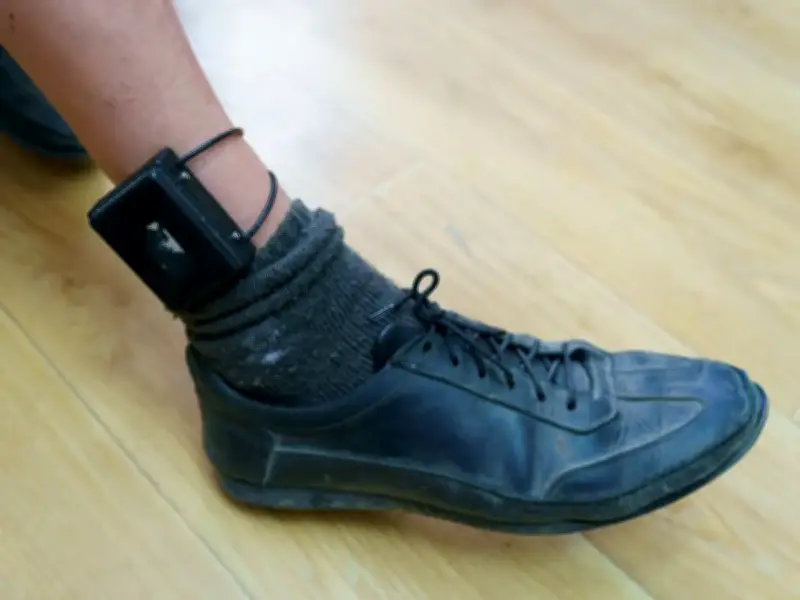
Shoplifters could be forced to wear GPS ankle tags and be banned from Croydon town centre under new proposals from Croydon Council, which is seeking to curb prolific theft after nearly 5,000 reported incidents in the past year.
Crime figures prompt action
There were 4,796 reported shop thefts in the town centre over the last 12 months, down slightly from 5,043 the year before. The council, in south London, says it needs to step up efforts to stop repeat offenders.
It is exploring measures including GPS tagging that would prevent offenders from entering certain parts of the town centre. The council has met with Sussex Police, which piloted the technology in East Sussex, to see how it could be rolled out locally.
Partnership and funding
Discussions are also under way with the Met Police and technology provider BUDDI. A start date for the pilot has not been confirmed, as the scheme depends on the council securing funding.
Data from the British Retail Consortium (BRC) shows retailers across Britain recorded 5.5 million incidents of shop theft over the year, costing businesses nearly £400 million in direct losses.
Official support and business reaction
Jason Perry, the Conservative Executive Mayor of Croydon, said: “Shoplifting is not a victimless crime. It threatens people’s livelihoods, drives up prices for honest customers and leaves shopworkers facing intimidation and abuse simply for doing their jobs.”
He added: “Our businesses have had enough of prolific offenders repeatedly targeting their shops, and so have I. My message is clear – that if you come to Croydon to steal, you should expect consequences. Zero-tolerance means backing our businesses and using every legal tool available to protect them. GPS tagging could help us monitor persistent shoplifting offenders, enforce exclusion zones and prevent the same people returning time and again to cause more harm.”
Local businesses have backed the plans. Benedict Selvaratnam, managing director of Freshfields Market in Croydon and co-founder of Croydon Business Association, said: “Shoplifting has a significant impact on businesses, particularly retailers. It is not simply the financial value of the goods being stolen. There is also the cost of additional security, and the pressure it puts on staff, and morale. Persistent offenders make staff feel unsafe at work, and many businesses feel frustrated when the same individuals return repeatedly.”