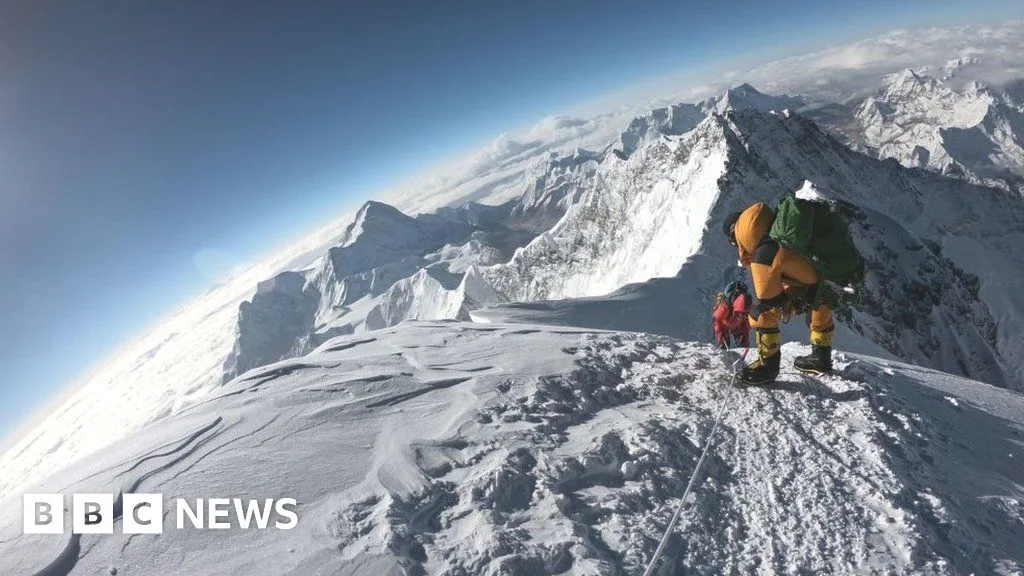
This year's spring climbing season on Mount Everest has been one of the deadliest in recent memory, with 12 confirmed fatalities and five mountaineers still missing. Among the victims was Australian engineer Jason Kennison, 40, who died from high-altitude sickness after reaching the summit. The deaths have renewed scrutiny on overcrowding after Nepal issued a record 900 climbing permits, a surge locals attribute to pent-up travel demand from the pandemic.
The high number of climbers has created dangerous bottlenecks on the route, according to Garrett Madison of US-based Madison Mountaineering. Queues form when mountaineers must wait for a narrow weather window to summit, and inexperienced climbers can cause further delays. These logjams put pressure on oxygen supplies, as the thin air above 8,000m can cause fluid buildup in the lungs and brain, leading to fatigue, breathlessness, and loss of co-ordination.
Nepal's Department of Tourism has defended the permit numbers, with director Yubaraj Khatiwada stating that a team of doctors and government officials would be stationed at Everest base camp for the first time to manage climbing activities. However, critics argue that the $11,000 permit fee, combined with expedition costs averaging $26,700, allows anyone who can pay to attempt the climb, regardless of experience.

This season, three Sherpas died in a serac (ice fall) collapse, while other victims succumbed to illness. No deaths were caused by avalanches, which have accounted for roughly 40% of fatalities in recent years according to The Himalayan Database. Climate change is also impacting the mountain, with temperatures on the Tibetan Plateau rising by about 2°C since 1979, melting glaciers and forming new lakes.
Lukas Furtenbach, whose Austria-based tour company has brought 100 clients to the summit since 2016, stressed the importance of proper oxygen logistics to prevent deaths. He called for minimum safety, equipment, and logistic standards for all operators, saying, 'With proper measures, we could avoid many of the deaths that happen today on Everest.'