A warning has been issued across Merseyside after a surge in overdoses linked to the synthetic drug Spice, which users have described as 'the worst thing you can have' and 'worse than heroin'. The Local Drug Information Service alerted drug services across Merseyside and Cheshire last week following reports of fatal and non-fatal overdoses involving the substance.
Spice Circulating in Harmfully High Doses
According to the warning, harmfully high doses of Spice are currently in circulation, not only in Merseyside but also across the North West and southern England. Spice is a street name for herbal smoking mixtures containing synthetic cannabinoids, which are chemically different from natural cannabis but bind to the same receptors in the brain.
Speaking to the ECHO on Tuesday, July 7, a self-described drug user said: 'It's the worst thing you can have; the worst drug. Worse than heroin.'
Local Users Describe the Dangers
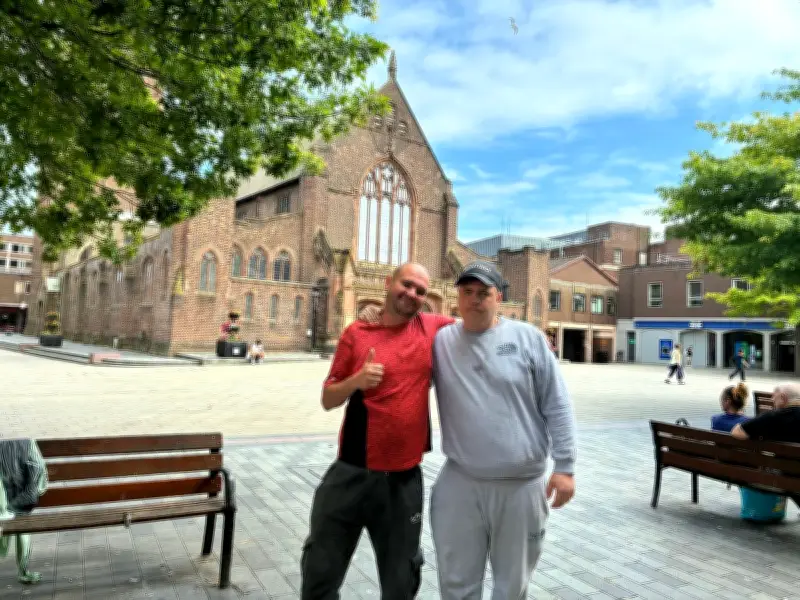
Terry Greenall, 40, from St Helens, told the ECHO he first encountered Spice while serving a six-month sentence at HMP Liverpool over a decade ago. He reported knowing people who had died after taking the drug. 'We're seeing more on the street now, and young people are taking it because it's cheaper than cannabis. They don't realise the danger,' he said.
Paul Murphy, 38, also from St Helens, described the drug as 'ridiculous' and said: 'It's rife around here. It's getting more popular, particularly with younger people.'
Brenda Prescot, 63, from St Helens, recalled the first wave of Spice use during the era of 'legal highs', when potent psychoactive substances could be purchased from so-called 'head shops'. She lost a friend during that period who used Spice alongside other drugs. 'Spice was here years ago, it was everywhere, but I've not seen it lately. Ketamine seems to be the big one. A lot of the kids are on it, and some of them can't get out of bed,' she added.
Expert Warning: A National Issue
Professor Harry Sumnall, a substance use expert at Liverpool John Moores University, described Spice as a national problem that was bound to impact Merseyside. 'These drugs first emerged around the beginning of the 2010s during the era of 'legal highs', and they have never really gone away. Initially, they were thought of as a substitute for herbal cannabis, but as various drugs became controlled under the law, new variants emerged. We are currently seeing some forms in harmfully high doses,' he said.
Professor Sumnall noted that use tends to be concentrated among vulnerable groups, such as those experiencing homelessness or living in hostels. 'In the North West, we know this involves people who are either street homeless, at risk of homelessness, or living in hostels where use might be high. It is not exclusive to those groups, but that seems to be where the harms are concentrated,' he explained.
Health Risks of Spice
Professor Sumnall emphasised that Spice is distinct from natural cannabis and carries serious health risks. 'Even though it is sometimes described as a synthetic cannabinoid, it is very different from street cannabis, whether herbal or resin. It can cause effects such as euphoria and perceptual changes in some people, which might help them cope if they are in difficult circumstances. However, we also know it can lead to serious mental health problems and exacerbate existing ones. It has been linked to drug dependency, seizures, and liver and heart problems. In several incidents across the country, it has led to unconsciousness and vomiting; a combination that can unfortunately lead to fatalities,' he said.
He urged anyone with concerns to seek help from local drug treatment services, describing them as 'very accessible, friendly, and welcoming'.
Local Services Sound the Alarm
Last week, addiction support service Change Grow Live (CGL) St Helens issued a warning after a series of incidents where people collapsed after taking Spice. In a statement, the charity said: 'We have had reports of a number of people overdosing/collapsing with what we believe has been linked to SPICE which is circulating in the area. Reach out to us if you require any further support or advice. Look after each other.'
The service described Spice as 'highly addictive and toxic', and advised that 'people have died after smoking spice. Spice is potent even when you take small doses and can lead to irregular heartbeat, seizures, chest pain, muscle damage, acute kidney injury, reduced consciousness (even coma), convulsions and psychosis.'
A St Helens Borough Council spokesperson said: 'Every time you use illegal drugs you are taking a gamble with your life and this latest warning is an example that you can never be sure what you may be taking and the potentially life threatening situation you may find yourself in. We have a wealth of support services for anyone using drugs to support them to quit for good delivered by St Helens CGL and Young People Drug and Alcohol Team for residents of all ages.'
Previous Incidents in Prisons
Last summer, the ECHO reported that a 'bad batch of spice' led to the death of an inmate at HMP Altcourse, with prison staff responding to numerous 'code blue' medical incidents each day. A spokesperson for HMP Altcourse said at the time: 'The safety and wellbeing of both staff and prisoners is our top priority and we deploy a range of tactics designed to tackle any drug-related issues when identified, working closely with healthcare partners. The conveyance of drugs in any prison is illegal, and our staff work tirelessly to stop prohibited items from being introduced to the prison.'