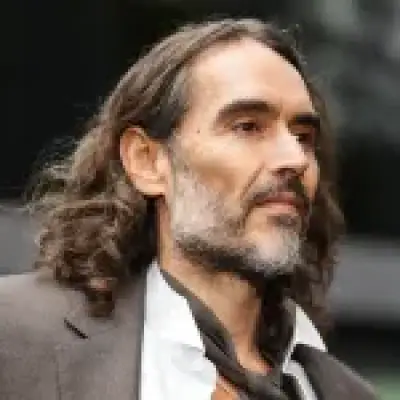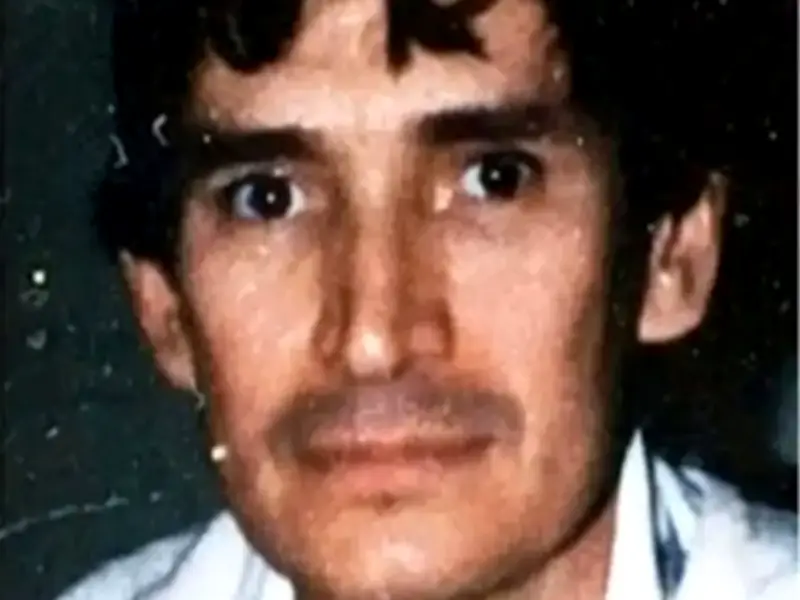
Miguel Angel Felix Gallardo, the founder of the Guadalajara Cartel who ordered the murder of a US Drug Enforcement Administration agent, has died aged 80. He died from respiratory failure due to pneumonia at a private hospital in Guadalajara on Sunday afternoon, two days after being transferred from a maximum-security prison.
From police officer to 'Boss of Bosses'
Felix Gallardo, known as 'The Boss of Bosses', controlled Mexican drug trafficking at the height of the 1980s cocaine boom. He began his career as a police officer and bodyguard for a local governor before becoming a crime boss. He transformed drug networks by building partnerships with groups in Colombia, including Pablo Escobar's Medellín Cartel.
He also placed Joaquin "El Chapo" Guzman in charge of logistics at his cartel in the 1980s. After the breakup of Felix Gallardo's network, the Sinaloa Cartel, led by Guzman, later emerged as one of Mexico's most notorious groups.
Murder of DEA agent Enrique Camarena
Felix Gallardo ordered the murder of DEA agent Enrique "Kiki" Camarena. The Mexican-American officer had discovered and destroyed one of the group's marijuana plantations in Chihuahua in 1985. The 2,500-acre plantation was thought to have produced around $8 billion of cannabis a year.
Camarena was drugged, beaten and brutally tortured before he died, sparking one of the largest manhunts the US has ever launched in North America.
Capture, imprisonment and death
Felix Gallardo was captured in 1989 and sentenced to life in prison on several charges, including drug trafficking and money laundering. He was granted house arrest in 2022 due to ill health but remained in prison because of issues with an electronic ankle monitor.
Born in 1946 in Culiacan, Sinaloa, Felix Gallardo's influence stretched far into Mexican society, including control of state governorships and police networks. His life was portrayed in several TV series, including by Diego Luna in the Netflix show Narcos: Mexico in 2018. He died at the hospital where police officers were seen outside, and a funeral carriage later left the premises.