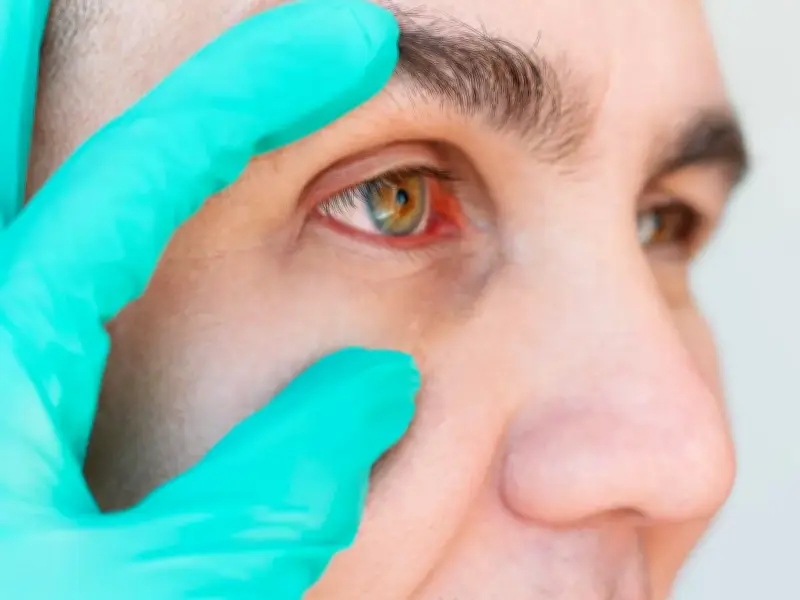
High cholesterol can quietly damage health without obvious symptoms, but a doctor has highlighted two subtle eye changes that may serve as warning signs. Yellowish deposits around the eyes, known as xanthelasma, and a pale white ring around the coloured part of the eye, called a corneal arcus, can both indicate the condition.
Silent killer warning from cardiologist
Leading cardiologist Professor Sir Nilesh Samani, former medical director at the British Heart Foundation, warned of the hidden danger. He said: “Findings from Our Future Health support previous estimates that show millions of people in the UK are living with undetected high blood pressure and raised cholesterol, which can put them at significant risk of a heart attack or stroke. Tackling these treatable silent killers must remain a priority if we are to prevent people suffering or dying needlessly.”
Dr Dave Nichols, resident doctor for MyHealthChecked, said he is seeing increasing numbers of patients with raised cholesterol. He linked this to rising obesity, declining physical activity, and poor nutrition, including diets high in saturated and trans fats.
The eye symptoms to look for
While high cholesterol is usually symptomless, Dr Nichols said: "Severe cases can cause chest pain or symptoms of a heart attack or stroke. Less commonly, yellowish deposits around the eyes or fatty bumps on the skin may appear."
A major Danish study involving more than 10,000 participants found that individuals with xanthelasma had a significantly higher risk of coronary heart disease and heart attacks. The British Heart Foundation notes that people with familial hypercholesterolaemia, a genetic form of the condition, might notice corneal arcus.
However, the charity stresses these visual signs are easily overlooked, noting there are usually “no symptoms of high cholesterol” and warning that if left untreated, high cholesterol can lead to heart attack and stroke.
Why the condition is dangerous
The Stroke Association reports that high cholesterol can increase the risk of a stroke by 10%. Dr Nichols explained: “Imbalanced cholesterol levels significantly increase the risk of stroke by damaging and obstructing blood vessels that supply the brain. High levels of bad cholesterol contribute to the buildup of fatty deposits (plaques) in the arteries, and these plaques can narrow or block blood vessels, reducing blood flow to the brain.”
NHS data from 2021 revealed that 56% of men and 61% of women in the UK had high cholesterol.
How to check and lower your levels
The NHS advises booking a simple blood test at a GP surgery to measure total cholesterol, alongside levels of good HDL cholesterol and non-HDL cholesterol. Health professionals will also consider age, blood pressure, and medical history to assess cardiovascular risk. Everyone in the UK aged 40 and over is encouraged to get these levels measured every five years as part of a free NHS health check.
Dr Nichols recommends a diet rich in fibre from oats, legumes, fruit, and vegetables, plus healthy fats from nuts, seeds, olive oil, and fatty fish, while cutting back on saturated fats, trans fats, and processed foods. Experts suggest at least 30 minutes of moderate activity, such as brisk walking, swimming, or cycling, on most days of the week. Losing excess weight, quitting smoking, and limiting alcohol intake are also advised, as smoking lowers good cholesterol and damages blood vessels, while excessive drinking drives up cholesterol and triglyceride levels.