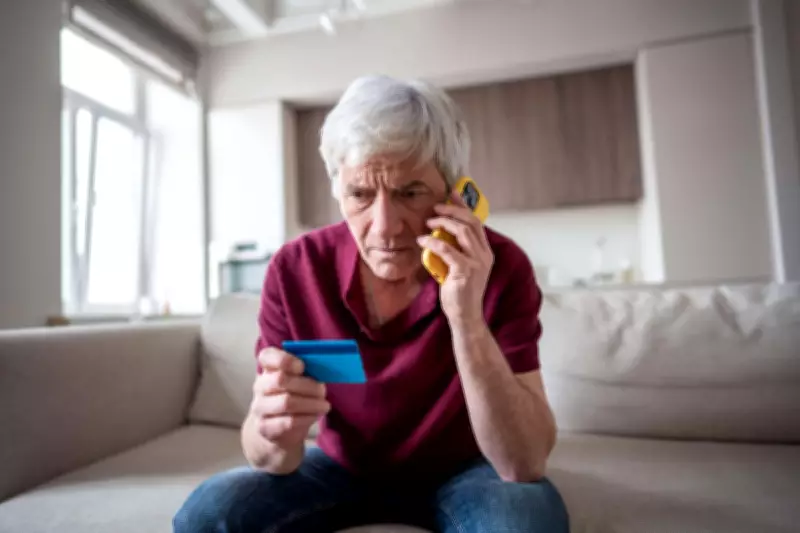
Financial institutions are raising urgent alarms about a particularly cruel form of deception known as friendship fraud, where criminals exploit human loneliness and the desire for connection to manipulate victims out of substantial sums of money. TSB Bank has issued a stark warning, revealing that data indicates the average loss per impersonation fraud case exceeds £3,100. This type of scam involves fraudsters meticulously building fake intimate or friendly relationships online, solely to engineer financial exploitation.
The Cruel Mechanics of Friendship Fraud
Stephanie Harrison, a fraud expert at TSB Bank, explains the predatory nature of these schemes. "These types of scams are particularly cruel because the scammers tend to prey on older and more vulnerable people, and use that to build communication," Harrison states. "They tend to speak for a little while, and then suddenly lead into asking for money and payments, using a range of different tactics to get people to send them money."
Harrison highlights the social dynamics that fraudsters ruthlessly exploit. "As we get older, our family and friendship circles change, so many older people might be more keen to have a conversation with somebody and have that companionship. Fraudsters take advantage of that and see it as a good hook to use and leverage to get money from these victims."

Devastating Consequences Beyond Finances
The impact of friendship fraud extends far beyond the immediate financial loss. "Putting aside the obvious financial element to this, the mental impacts of these types of scams can be massive," Harrison emphasises. "When people just wanted somebody to talk to and then have that trust completely broken by a scammer, it can be quite devastating."
This betrayal can lead to long-term psychological harm. "Victims might start to lose trust in their conversations and lose trust in their ability to speak to people, which can have a big impact on how they go forward when building relationships in future," Harrison adds.
A harrowing case study illustrates the prolonged nature of these scams. One customer in their late 60s was befriended on a message board by a scammer pretending to be a young person seeking financial help to escape an abusive family. This fraudulent friendship persisted for four years before being reported, during which time the victim made sixty separate payments.
Five Critical Red Flags of Friendship Fraud
To help the public identify and avoid these scams, TSB's fraud experts have outlined five key warning signs that should prompt immediate caution.
1. Unsolicited Contact on Social Media
Be extremely wary of sudden messages from strangers on social media platforms. "A lot of these scams are taking place on social media," Harrison notes. "Fraudsters will reach out to people on social media about common interests which act as a bit of a hook to get these conversations started."
Proactively managing your online presence is crucial. "Have a look at your social media privacy preferences and if you think that you potentially could be more vulnerable to being contacted by a scammer, see if you can make your account private and install any other privacy settings," Harrison advises.
2. Avoidance of In-Person or Video Interaction
A major red flag is a reluctance to move the relationship into a verifiable space. "Think about what information they are sharing," Harrison suggests. "Can you validate who they say they are, depending on what they’re sharing with you? If they are reluctant to either meet in person or video call or do something that’s hard to mimic, that’s a red flag."
This caution is especially vital in the age of advanced digital deception. "No matter how friendly they sound online, just be mindful that everything that they’re telling you could be fake, even pictures they share with you," Harrison warns. "We know that many scammers are starting to use AI even more to mimic things, so it’s really important to question everything that they send to you."

3. Gradual and Calculated Trust Building
Scammers are patient and methodical in constructing false rapport. "In terms of tactics, fraudsters will often find out information about the victims and will use this to their advantage," Harrison explains. "They might emotively try to match the victim’s personality type to make it feel more genuine in terms of the relationship that they’re building."
This process can be drawn out over years. "We have seen some cases where the scammer built up these relationships for years, so often it’s a long conversation before any money is brought up," Harrison adds.
4. Requests for Financial Transfers or Gift Cards
The ultimate objective of the scam becomes clear with financial requests. "If they start to ask for money, or start to make comments about needing funds, that is a clear red flag," Harrison states unequivocally. "The two main ways fraudsters usually request money in friendship fraud is via a direct transfer of funds or via gift cards."
It is important to note that the amounts requested can be deceptively small. "Remember that it doesn’t have to be a large-value amount of money to be a scam, they might instead ask for small amounts often," Harrison clarifies. "As soon as they ask for funds, pause and take a step back. Be really thoughtful and try to stop that conversation because that’s where it usually starts to go wrong."
5. Creating Artificial Time Pressure
Fraudsters frequently manufacture urgent crises to bypass a victim's rational judgement. "Often the fraudsters will come up with some rushed reason and story as to why they need money fast, in a bid to apply pressure on victims to act fast," Harrison highlights. "For example, in many cases it’s something along the lines of medical bills for a medical emergency."
Essential Steps if You Suspect a Scam
If you believe you have been targeted or have fallen victim to friendship fraud, immediate action is critical. "It’s important to report these scams to your bank as soon as possible to try and protect any further payments that are going out," Harrison advises. Additionally, she stresses the importance of official reporting: "Also, make sure to report it to Action Fraud so that they can investigate this further."
Public awareness and vigilance are the primary defences against these emotionally and financially damaging crimes. By recognising the red flags and understanding the manipulative tactics employed by scammers, individuals can better protect themselves and their loved ones from becoming the next victims of friendship fraud.