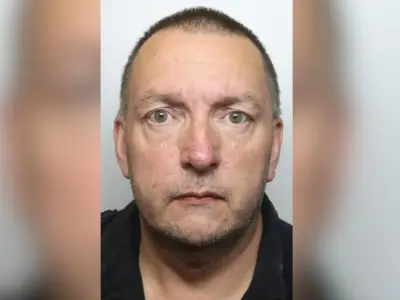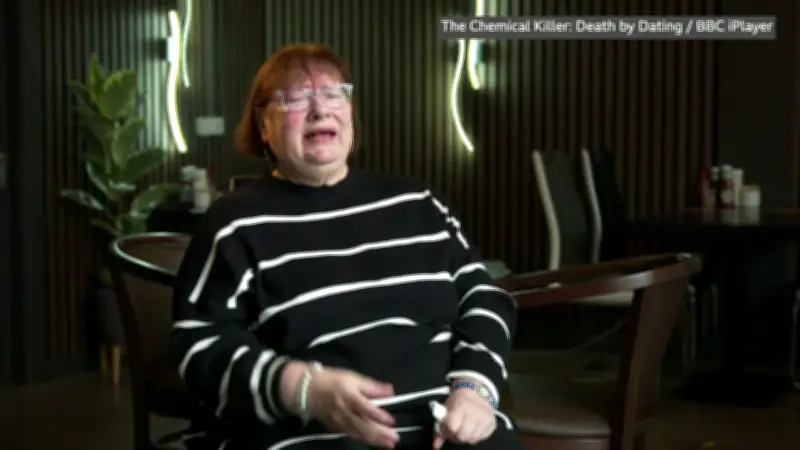
A woman drugged and raped by Scots predator Richard Scatchard more than 25 years ago, before he went on to kill his partner, has spoken publicly for the first time about the horrendous ordeal.
Krystyna, now 70, has waived her right to anonymity to reveal how the Glasgow-born convicted sex offender preyed on her decades before he became embroiled in the death of mother-of-four Kelly Faiers, despite being previously jailed for similar offences. She described how Scatchard drugged her after gaining her trust and said the experience left her feeling as though her life had been taken away.
“I went from having a safe, happy life to not having a life,” she said in a new BBC documentary, The Chemical Killer: Death by Dating. Krystyna met Scatchard in 1997 and initially considered him a friend, regularly walking his dog. But she said he later invited her into his home and encouraged her to drink wine which, unbeknown to her, had been spiked.

Recalling the aftermath
Recalling the horrifying aftermath, she said: “When I used to be coming round, I'd have no clothes on.” She added: “I knew what he was doing was really bad. I didn't dare open my eyes because I thought if I did, he might kill me.”
At first, Krystyna did not tell anyone what was happening, saying she felt shame and struggled to accept what she believed was taking place. But after Scatchard began stalking and harassing her, she went to police and revealed her suspicions that he had been drugging her. Her evidence ultimately helped lead to his conviction alongside evidence from other women.
Four life sentences and release
Scatchard, who also used the name Richard Dunlop, was handed four life sentences in 2000 after drugging and indecently assaulting women. He was released on licence in 2013 before later moving to Somerset, where he met mother-of-four Kelly Faiers through a dating app.
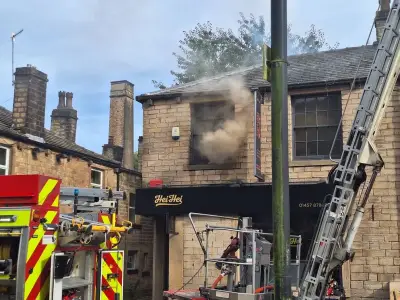
Ms Faiers, 61, was found dead at Scatchard's home in Minehead in October 2023 after taking an excessive amount of sleeping tablets while under the influence of alcohol. Scatchard went on the run following her death, sparking a major manhunt, before his mummified remains were discovered in a caravan at a campsite in Watchet six months later.
Unlawful killing and parole lessons
An inquest into Ms Faiers' death concluded in July that she had been unlawfully killed. The court previously heard that Scatchard had a long history of sexual offending dating back to the 1980s, including attempted rape, sexual assault and administering drugs to women in order to have sex with them while they were unconscious.
He had been assessed as posing a medium risk when released from prison and was required to tell probation officers about any emerging intimate relationships. But the inquest heard he had kept his relationship with Ms Faiers secret and had received two warnings for breaching his licence conditions.
The new BBC investigation examines how Scatchard was able to offend again after being given four life sentences and asks whether Ms Faiers' death could have been prevented, and follows renewed attention on the issue of drug-facilitated sexual abuse following the case of French woman Gisèle Pelicot.
Krystyna has chosen to speak out in the hope that her experience could help other women recognise the warning signs. She said: “If you have feelings like I had and you doubt yourself - don't. Look after yourself otherwise it could be fatal.”
A Parole Board spokesperson said that every serious further offence is a tragedy in which victims and their families’ lives are affected forever. “Whilst these represent a tiny proportion of cases considered, one case is one too many and we take these extremely seriously. Where this happens, the Parole Board is committed to doing everything it can to learn the lessons that will help to prevent further tragedies.”
The Chemical Killer: Death by Dating is available on BBC iPlayer from September 7.