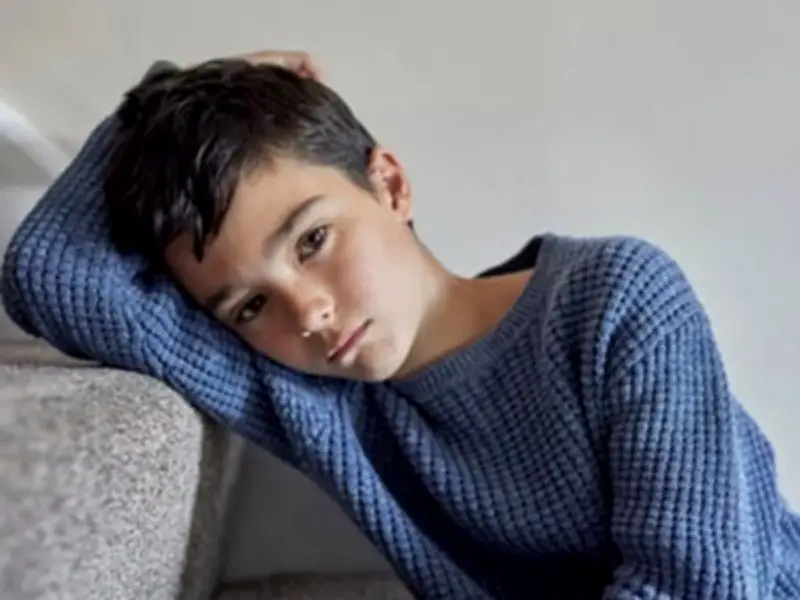
The National Society for the Prevention of Cruelty to Children (NSPCC) has reported that the number of adults contacting its helpline about children experiencing domestic abuse has reached the highest level since records began.
Between 1 April 2025 and 31 March 2026, the helpline handled 8,448 child welfare contacts where domestic abuse was the primary concern. This represents an increase of more than 80% since records began.
Referrals to local agencies
Nearly a third of these domestic abuse contacts — 2,709 — resulted in a referral to local agencies, including police and children's social services.

The charity is appealing to the public to get in touch if they have any concern, no matter how small, about a child experiencing domestic abuse. Domestic abuse can include coercive control and emotional, verbal, physical and financial abuse.
Although most domestic abuse victims are women, men can also be affected, and the charity says support must be available to each person according to their needs.
Calls from concerned relatives
One caller to the NSPCC Helpline said: "My sister recently left an abusive situation with her six-month-old baby, but her ex-partner is still in control of their finances and emotionally abusing her."
"Her ex has drained their accounts so she can’t buy what she needs for my niece," the caller added. "The ex is bombarding her with threats online and via text, even saying they will kill themselves if she doesn’t go back or let them see the baby."
The caller asked: "Where can we get support and protection for my sister and niece?"
Impact on children
The NSPCC Helpline has specially trained advisors who can speak to the public if they are worried about a child who may be experiencing or witnessing domestic abuse. Signs that a child has experienced domestic abuse can include aggression, anti-social behaviour, bed wetting, attention seeking, tantrums, withdrawal and problems in school.
Margaret, who suffered years of abuse by her ex-husband, described the impact on her children. She said: "I had always known Tony was controlling, but after our wedding he became emotionally and psychologically abusive, threatening me and belittling me all the time. Then he started being physically abusive."
Margaret continued: "We had two children and he became abusive towards them too, shouting and beating them with belts and shoes when I wasn’t there. I could see that they were really affected. They were subdued, sullen and didn’t really behave like children at all."
She added: "One day, I finally snapped and called the police. They helped get us to a safe house."
"I was really worried about whether my children would be able to get over the abuse they had witnessed and endured. They took part in the NSPCC’s domestic abuse programme, and the light has come back into their eyes. They changed from quiet and subdued children to boisterous and playful – like they’ve released whatever they’d been holding onto."
Margaret explained: "If there are any parents reading this and going through something like us, or you know someone who is, help is out there. I know my children will be OK, but without help, they may not have been."
Charity urges public to seek help
Paddi Vint, NSPCC Helpline service head, said: "It’s alarming that we are seeing record levels of adults contacting our Helpline about a child experiencing domestic abuse. Domestic abuse is often hidden, with stigma and shame making it harder to ask for help."
She added: "Children and young people might also feel frightened and confused, keeping the abuse to themselves. If you’re worried about a child, you can speak to our free NSPCC Helpline in complete confidence. Reaching out can be the first step to help families begin to move forward."
Anyone with concerns about a child's welfare can call the NSPCC Helpline free on 0808 800 5000 or email help@NSPCC.org.uk. Children can contact Childline on 0800 1111 or visit childline.org.uk. If an adult or child is in immediate danger, call 999.