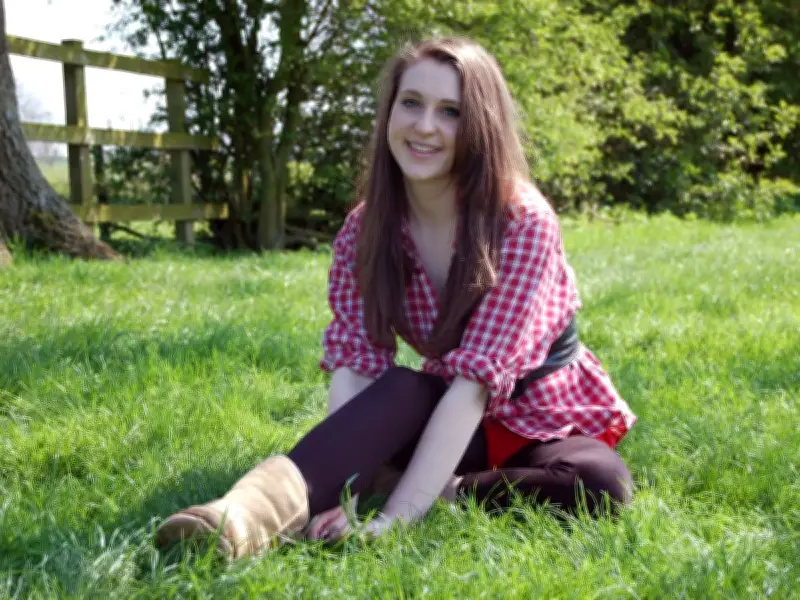
Alice Ruggles was murdered by her ex-boyfriend, Trimaan Dhillon, in her Gateshead home after she ended their relationship. Her mother, Sue Hills, has now admitted she had no idea how much danger her daughter was in when Alice told her about Dhillon's abusive calls and messages.
On the tenth anniversary of the murder, Sue Hills said she perceived Dhillon as an annoyance and a nuisance to Alice, not an immediate threat. Dhillon had hacked into Alice's social media accounts to track her movements and made trips to her Bensham home to leave flowers and chocolates on her window sill.
Warning signs missed
Alice called police just 11 days before she was killed, saying she had become "terrified" by Dhillon's stalking. The incident was recorded as harassment, and Dhillon was issued with a Police Information Notice (PIN), but was not arrested. An investigation by the Independent Office for Police Conduct found that a Northumbria Police officer failed to record Dhillon's behaviour as stalking.
Sue Hills now knows that Dhillon's actions, including the constant unreciprocated contact, were warning signs of what was to come. The family has devoted their lives to raising awareness of what stalking is and how much danger victims can be in.
Charity work in Alice's name
The Alice Ruggles Trust delivers assemblies in schools to educate potential young victims about what to do if they are being stalked, and to teach potential perpetrators how to deal with negative emotions that might lead to stalking and violent behaviour.
Almost everyone will experience the breakdown of a relationship at some point, and not everyone who reacts badly to a break-up will go on to stalk or kill. But Alice's family want everyone to be aware that this is a possibility, and encourage anyone who thinks they are being stalked to contact police for advice.
Technology makes stalking easier
In the 10 years since Alice was killed, technology and social media have moved on dramatically, making it easier for one ex to stalk and torment another. Young people are now often on multiple social media platforms, and sharing every aspect of their lives has become the norm, making it harder for anyone to cut contact.
An unwanted phone-call or visit may not seem serious enough for someone to call police, and many are worried about wasting officers' time or angering the perpetrator further. But each incident of unwanted contact adds up to a pattern of behaviour, which in Dhillon's case became highly dangerous.
The Alice Ruggles Trust hopes to put an end to stalking by changing the mindset of a generation. While it is impossible to measure something that has not happened, there is every chance that the work the trust does in Alice's name has already saved lives.