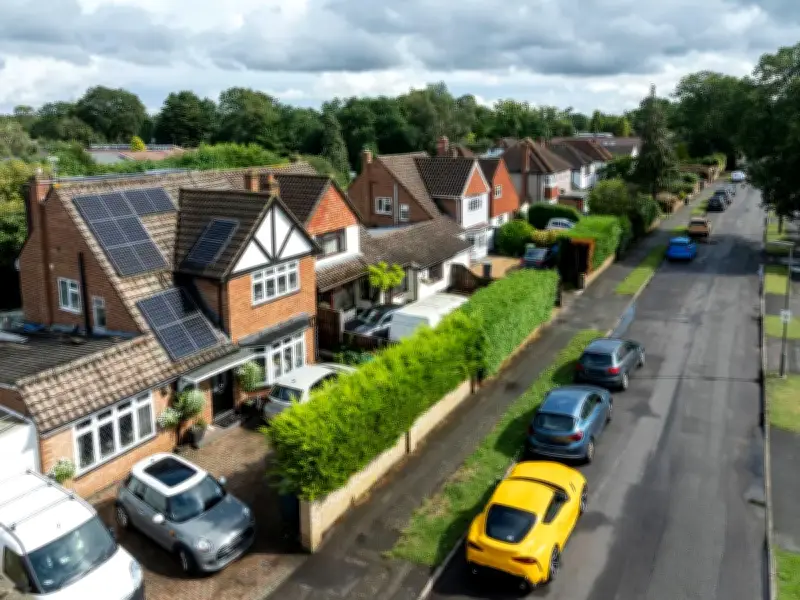
If you are a homeowner with a driveway, you may have experienced the frustration of finding it blocked by another person's vehicle or noticing an unauthorised car parked on your property. While it might seem reasonable to act immediately because it is your land, UK law sets out specific limitations on what you are permitted to do in such situations.
Acting without understanding these regulations could result in fines or significant legal complications. There is also a genuine risk of disputes with neighbours, particularly if those responsible live nearby. Curwens Solicitors have provided guidance on the options available when someone parks on your driveway.
Trespass and Legal Options
While no criminal law exists against someone parking on your driveway without permission, your driveway forms part of your property, meaning that by driving onto it the individual is committing trespass, according to the solicitors. Trespass, however, is classified as a civil matter rather than a criminal offence, which means police lack the authority to make an arrest. A solicitor can assist, though the outcome will not be immediate.
Curwens Solicitors explained: "If you know who is responsible, particularly if the same neighbour, contractor or visitor keeps doing it, a solicitor can send a formal letter requiring them to stop. That letter can make clear that the land is private, permission has not been given, and continued trespass may result in legal proceedings."
"If the behaviour persists, court action may be available. Depending on the circumstances, that could include a claim for trespass or nuisance and, in an appropriate case, an injunction preventing further interference with your property."
When Legal Action Is Worthwhile
The solicitors noted that if a vehicle is parked on your driveway for just thirty minutes and results in no tangible financial loss, pursuing the matter through the courts at considerable expense may not be financially worthwhile. Legal action "becomes more attractive" where the conduct is "repeated, deliberate and seriously interferes with your enjoyment of your property".
Homeowners are not permitted to have an unauthorised vehicle clamped or removed without the appropriate authorisation. Seeking advice from a legal professional regarding the most suitable course of action for your particular circumstances is strongly recommended.
Avoid Criminal Damage Charges
Do not allow the aggravation of repeatedly finding the same vehicle on your driveway to result in a costly encounter with criminal law. The solicitors cautioned that even placing a courteous "please do not park here again" message written on a wet sheet of paper over the passenger or side window could potentially "leave you subject to a criminal damage charge".
Under the Criminal Damage Act 1971, damage can encompass temporary impairment or anything that requires time, effort or expenditure to remedy. Curwens Solicitors clarified: "If the driver cannot use the vehicle safely until they expend time and effort to remove your note, this legally meets the threshold of criminal damage. The absence of glue does not change the fact that you have actively created a cleaning burden."