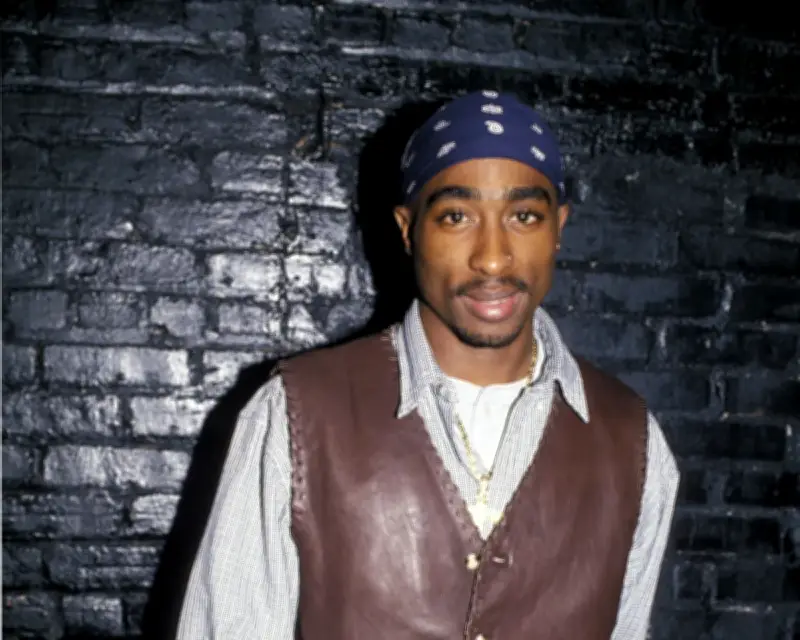
The murder trial of Tupac Shakur is scheduled to commence, marking a long-awaited legal reckoning in a case that has captivated the public for decades. Duane "Keffe D" Davis, a former gang leader, stands accused of orchestrating the 1996 drive-by shooting that killed the iconic rapper in Las Vegas.
Background of the Case
Tupac Shakur was fatally shot on September 7, 1996, while riding in a car with Death Row Records CEO Marion "Suge" Knight. The shooting occurred after a casino brawl involving Davis's nephew, Orlando Anderson. Davis, who was in the car from which the shots were fired, has admitted to providing the gun used in the attack.
For years, the case remained unsolved until Davis's own admissions, including in a 2019 memoir and subsequent interviews, brought renewed scrutiny. In 2023, Davis was arrested and charged with murder with use of a deadly weapon. He has pleaded not guilty.

Legal Proceedings and Key Evidence
The trial is expected to rely heavily on Davis's own statements, which he has claimed were made for entertainment purposes. Defense attorneys have argued that the case is built on insufficient evidence and that Davis's admissions were not confessions to the murder.
Prosecutors, however, have pointed to Davis's detailed accounts of the shooting, including his assertion that he handed the gun to a backseat passenger who fired the fatal shots. They also note that Davis has been the only living person with direct knowledge of the events to speak publicly.
Implications and Next Steps
The trial, set to take place in a Las Vegas courtroom, is expected to draw significant media attention. If convicted, Davis faces up to 20 years in prison. The case has also reignited discussions about the unsolved murder of rapper The Notorious B.I.G., though no charges have been filed in that separate investigation.
As the legal process unfolds, observers will be watching to see whether the trial provides long-awaited closure to one of hip-hop's most enduring mysteries.