A sheriff has made recommendations aimed at improving safety for water adventure activities following an inquiry into the deaths of a 12-year-old boy and a man in incidents five years apart.
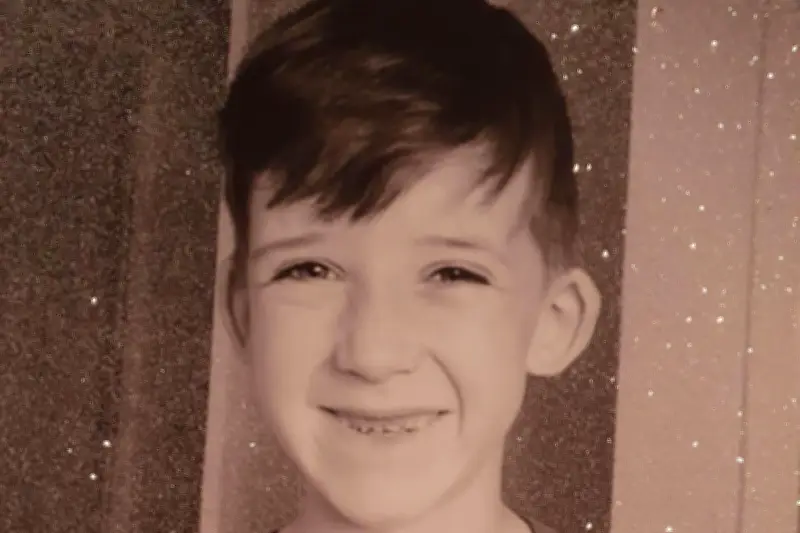
Kayden Walker, from Glasgow, died after becoming trapped on the upstream side of a weir while on a day trip with the Church House community group in July 2019. The 12-year-old, whose swimming ability was limited, was separated from his board during a river boarding session on the River Tay, near the village of Stanley, Perth and Kinross, on July 28 2019. After being pulled from the water, he was airlifted to Ninewells Hospital in Dundee and was then transferred to the Royal Hospital for Children in Glasgow, where he died on July 29.
Joint inquiry into two deaths
A joint fatal accident inquiry (FAI) was held into the deaths of Kayden and Ruaridh Stevenson, 39, from Cupar, Fife, who drowned after trying to help a client who experienced difficulties in the waters flowing through Dollar Glen, Stirling, on April 13 2024. Mr Stevenson was a director of a company which offered “canyoning” experiences on Scottish rivers.
The FAI, which took place at Falkirk Sheriff Court earlier this year, followed the prosecution of Outdoor Pursuits Scotland Ltd in October 2024 for a contravention of health-and-safety legislation which led to Kayden’s death. The company was fined £10,000.
Recommendations for licensing and guidance
In his determination published on Tuesday, Sheriff Keith O’Mahony recommended that the Health and Safety Executive (HSE), in conjunction with the Adventure Activities Licensing Authority (AALA), should carry out a formal review of whether commercially-provided riverboarding for people aged under 18 should fall within the Adventure Activities Licensing regime.
He said that pending the outcome of such a review, the HSE should consider issuing specific guidance to providers of riverboarding activities, and to organisations commissioning such activities for children, making clear that riverboarding falls outside the AALA licensing regime. Such guidance should emphasise the need for “appropriate and rigorous risk assessment” of site-specific hazards by all organisations involved in organising events of this nature, he said.
He found that Kayden’s death could have been avoided if the group had exited the river upstream of Stanley Weir and re-entered downstream, and that one instructor could have remained above the weir and one below it until every participant had safely passed through.
Findings on canyoning death
In relation to the death of Mr Stevenson, the sheriff found that the canyoning trip should not have entered the area of water, known as the Cauldron, in the prevailing conditions. He found that the availability of an effective bank-based rescue system, such as a reach pole or a throw line from a pre-rigged rope arrangement, was a reasonable precaution which might realistically have avoided the death.
The sheriff recommended that the HSE and the UK Canyoning Association should consider producing or developing guidance for commercial canyoning providers addressing site-specific risk assessments, standard operating procedures and operational water level limits and cut-off criteria.
Debbie Carroll, of the Crown Office and Procurator Fiscal Service, Scotland’s death investigation authority, said: “This determination identifies important lessons for the adventure activities sector and those responsible for its regulation and oversight.
“The sheriff’s findings highlight the importance of robust risk assessment, effective safety controls and careful management of site-specific hazards.
“Our thoughts remain with the families and friends of Kayden Walker and Ruaridh Stevenson.”
HSE and the UK Canyoning Association have been asked for comment.