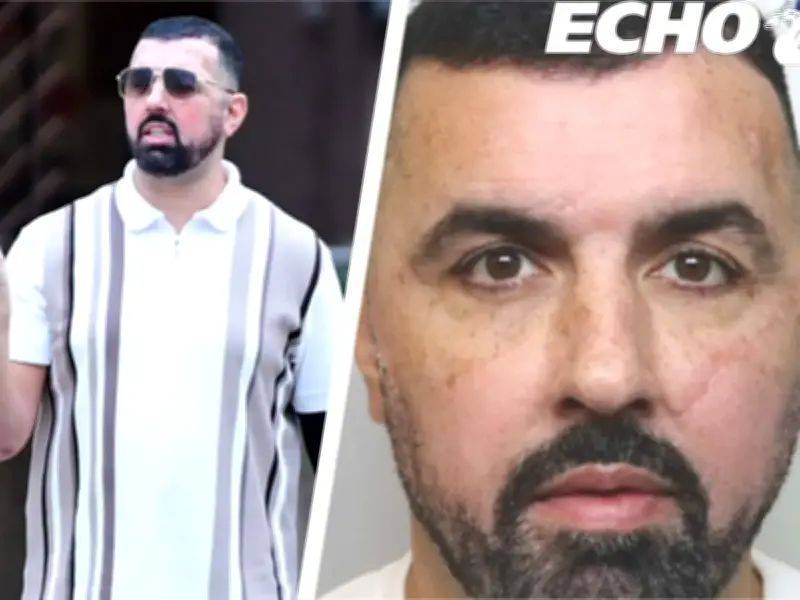
Liverpool TikToker and career criminal Sam Walker is starting another prison sentence after being jailed for stalking, as new figures reveal one in six women have been preyed upon amid soaring cases across Merseyside.
Walker, 43, was jailed for 16 weeks after stalking a woman by setting up a fake Instagram profile containing pictures of the victim in her underwear. The self-styled influencer, of no fixed abode, was also given a 10-year restraining order prohibiting him from contacting the victim and from posting any material relating to her online or on social media.
Career Criminal with Over 100 Convictions
Walker, a convicted gangster with over 100 criminal convictions to his name, including violence and drug supply, has gained a large following online because of his reporting on criminal life.
His conviction comes as new data reveals more than 4.3 million women in England and Wales reported that they had been stalked or harassed, with police statistics showing the number of cases has risen to record levels. Merseyside Police has pointed out some of the rise in the numbers could be attributed to the general public getting better at recognising stalker behaviour and police improving how they deal with it.
Stalking Statistics: The Numbers
The most common form of stalking is via email, text or social media, but one in ten women also reported being followed and a similar number have received threatening or abusive phone calls.
Nearly 2 million people (3.9% of adults) were stalked across England and Wales in the last year alone, according to estimates by the Office for National Statistics. The figure is three times higher than the number of crimes investigated by the police because the majority of cases are never reported.
The ONS figures published this week show that around 6.4 million adults in England and Wales, including more than 4.3 million women, or 17.4%, have experienced stalking since the age of 16.
Who Is Most at Risk?
One in 10 women (9.5%) have been followed, and one in nine (11.0%) have received threatening or abusive phone calls, while one in eight (12.4%) have been threatened or abused in an email, text, or social media message.
Women are around twice as likely to be a victim of stalking as men, the figures show. That includes one in 10 teenage girls aged between 16 and 19 (10.0%), who were the most likely age group to suffer from stalking. Among men, Generation X was most at risk, with one in 27 males aged between 45 and 54 (3.7%) being harassed.
Rise in Recorded Offences
Separate Home Office figures show police forces recorded nearly 143,000 standalone stalking offences in the year to June 2026 – up 4% on the previous 12 months. That includes 3,673 stalking crimes recorded by Merseyside Police, up 6% in the last year and the highest number on record.
The vast gulf between the 1.9 million people estimated to have been stalked in the past year and the 142,918 stalking offences recorded by police highlights how often the crime goes unreported or unrecorded. While the ONS Crime Survey for England and Wales captures people's lived experiences regardless of whether they went to the police, recorded crime figures depend on victims coming forward and how individual forces log reports.
Recorded offences soared during the pandemic – more than doubling between the years ending June 2020 and June 2021 – and have continued to rise year on year. Crime rates, which take into account population sizes, show that people in Liverpool were most likely to be preyed upon by a stalker in Merseyside.
Last year there were 1,431 stalking crimes recorded by police in Liverpool, a rate of 2.8 offences per 1,000 residents – or the equivalent of one in 356 people reporting being stalked. That places Liverpool 65th ranked area in England and Wales for instances of stalking.
Detective Chief Inspector Alan Nuttall, of Merseyside Police's Public Protection Unit, said: "The rise in reported stalking offences cannot be linked to the pandemic alone. Improved officer training, increased public awareness, national reviews of stalking legislation, and campaigns such as the Taking Action campaign have all helped improve the identification and reporting of stalking offences."
"While the increase in recorded offences is concerning, it also reflects a greater ability to recognise stalking behaviours, support victims, and give people the confidence to come forward, helping ensure offenders are identified, investigated and held to account."