Russell Brand has been convicted of one count of rape and three counts of sexual assault at Southwark Crown Court. The jury acquitted him of two additional charges of rape and one allegation of attempted indecent assault.
Brand, now 51, targeted women he met while becoming one of Britain's most recognisable stand-up comedians, a celebrated TV and radio presenter, and a Hollywood film star. His victims attended court to describe how Brand had coerced them into sexual activity, sometimes within moments of their first encounter, exploiting his celebrity status to relentlessly pursue a goal of sex with 5,000 women.
Katy Perry excluded from prosecution case
Prosecutors had planned to mention pop star Katy Perry when presenting their case against Brand over allegations of rape and sexual assault spanning a decade of his entertainment career. However, the Grammy-nominated artist was omitted from lead prosecutor Riel Karmy-Jones KC's opening statement following submissions from Brand's defence team.
In legal submissions made before proceedings began, Ms Karmy-Jones stated: "The prosecution recognise that matters post 2009 involving his relationship with Katy Perry may be sensitive, as may his previous faiths, and we are content to remove these from the opening."
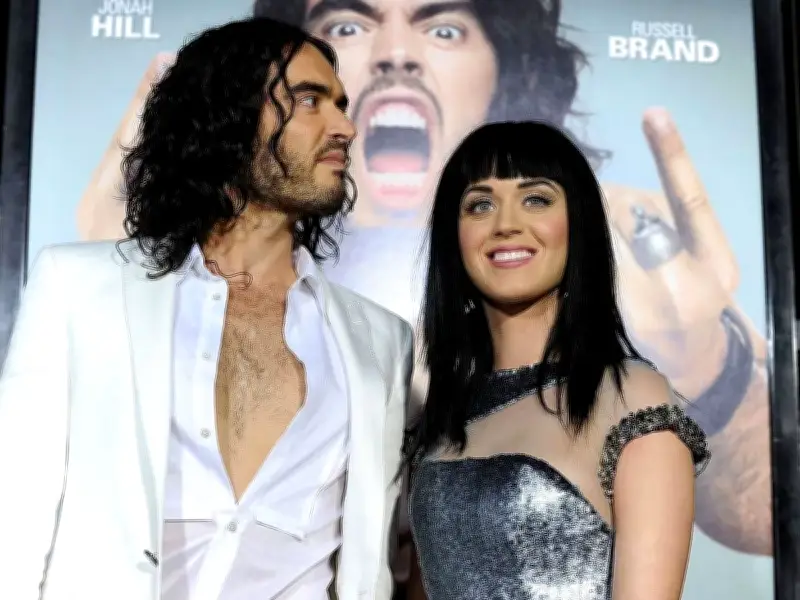
While giving evidence, Brand discussed his short-lived marriage to Perry, explaining how he had achieved "staggering fame" during that time. Their relationship commenced following their first encounter on the set of Get Him To The Greek in 2009, but had concluded by late 2011. The Crown Prosecution Service has confirmed that Perry was not contacted to provide a witness statement during the investigation into Brand.
Details not heard in trial
During the month-long trial, prosecutors also agreed not to mention Brand's previous religious backgrounds, prior to his recent conversion to Christianity. The couple married in a traditional Hindu ceremony in Rajasthan, India, in 2010, at a site close to a tiger sanctuary. Over the last two years, Brand has turned to Christianity, which now plays a significant role in his podcast and online content. On several occasions during the trial he was seen praying while in the dock.
She also agreed to removing mentions of Brand's baptism in the River Thames at Henley in 2024, an occasion which saw television personality Bear Grylls in attendance.
Drug and alcohol evidence barred
In pre-trial hearings, now able to be disclosed following the conclusion of proceedings, it came to light that details of Brand's drug use and alcoholism would play no part in the case. Prosecutors had attempted to cite Brand's "dependency" on alcohol and drugs, but defence barrister Ian Winter KC contested this approach.
"Putting aside the illogicality of the suggestion that dependency issues mean he would engage in non-consensual sex, none of the complainants assert that Mr Brand was under the influence of drugs or alcohol at the time of their encounters with him", he told the judge.
Brand's former assistant Helen Berger was permitted to give evidence regarding Brand's "insane sexual appetite", though her statement was edited to remove her belief that he suffered from a sex addiction, as well as any reference to Brand's prior treatment at a sex addiction clinic. Brand's former associate Mark Pinheiro was similarly barred from discussing the comedian's drug use, including a theory that his behaviour had worsened during the 1999 Labour Party conference – when he was accused of raping a woman – due to his cannabis being disposed of. He was subsequently acquitted of that charge.
Brand's legal representatives failed in their attempts to prevent the jury from hearing testimony from Ms Berger regarding him becoming "depressed" following sex, his preference for sex in toilets and dressing rooms, and evidence that he would "switch off the charm" when a woman indicated she was in a relationship. Prosecutors sought to introduce evidence from one of Brand's former flatmates, Andrew Dobson, who would warn female friends "don't go there" about the comedian, along with Mr Pinheiro's alleged remark: "Russell's not right, is he?".
Excerpts from Brand's autobiography, Mr Booky Wook, were read to the jury by Ms Karmy-Jones KC, including passages in which Brand had described himself as "guilty" after sex, and implied that he had a "birthright" to orgasm. His follow-up memoir, My Booky Wook 2, was however excluded from proceedings, after the defence highlighted that it had been published after the final allegation in 2009.
The 2023 Dispatches documentary, Russell Brand: In Plain Sight, loomed large throughout the trial, forming a central pillar of Brand's defence argument that all the evidence against him had been tainted by the reporting. However, jurors were specifically chosen on the basis that none of them had viewed the documentary, and it was never presented during the four-week proceedings.
Senior crown prosecutor David Roberts stated: "We followed all reasonable lines of inquiry in statements that would have been relevant to the specific charges and I'm satisfied that all reasonable lines of inquiry were covered."