Ratko Mladić, the Bosnian Serb military commander known as the "Butcher of Bosnia," has died. His death closes a chapter in the Balkan wars but reopens questions about Serbia's reckoning with its wartime role and the lasting divisions in Bosnia.
Conviction for Genocide
Mladić was convicted by the International Criminal Tribunal for the former Yugoslavia of genocide, crimes against humanity, and war crimes, including the Srebrenica massacre of more than 8,000 Bosniak men and boys in 1995. He was sentenced to life imprisonment in 2017, a verdict upheld on appeal.
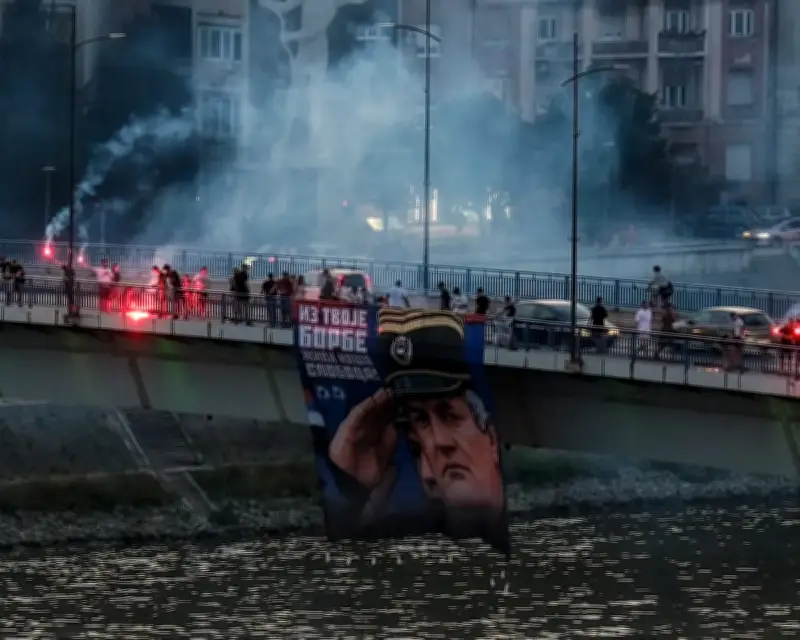
His funeral is expected to draw thousands of supporters in Serbia, where many still view him as a hero rather than a war criminal. This starkly contrasts with the grief and anger his death evokes among Bosniak survivors and families of victims.

Unresolved Legacy
Mladić's death does not erase the need for continued truth and reconciliation in the region. The International Residual Mechanism for Criminal Tribunals, which handled his appeals, noted that his conviction stands as a testament to the pursuit of justice for the victims.
In Bosnia, political leaders and civil society groups have called for renewed efforts to confront the past and build a shared future. The wounds of the 1990s conflicts remain raw, and Mladić's passing may fuel nationalist rhetoric ahead of elections in both Bosnia and Serbia.
Impact on Regional Politics
Observers say his death could harden ethnic divisions and complicate EU-mediated dialogue between Serbia and Kosovo. However, it also offers an opportunity for leaders to firmly distance themselves from the crimes committed in their name.
For many, Mladić's death is a reminder that justice, while delayed, was delivered. Yet the deeper work of societal healing and acknowledgment of wartime atrocities continues, with no clear end in sight.