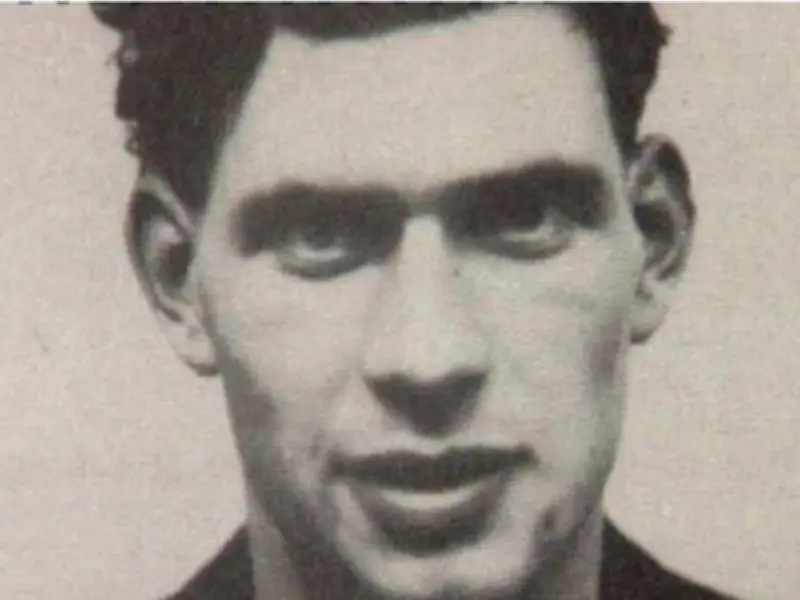
In 1953, the disappearance of a hardworking farming couple from St Clears, Carmarthenshire, set in motion one of the most notorious murder investigations in Welsh history. John and Phoebe Harries, who lived at Derlwyn Farm, were last seen on the evening of Friday, October 16. Their absence was first noticed not by friends or family, but by observant neighbours who saw that the couple's cattle had been neglected—a striking anomaly for a farmer known for his meticulous care.
Missing Couple and Scotland Yard Involvement
John Harries was described in police appeals as having his "own teeth" with a "few false on bottom," while Phoebe was noted for her "very thin face" and "false teeth." As the investigation began, local interviews revealed no leads, prompting the involvement of Superintendent John Capstick from New Scotland Yard. He travelled to Carmarthenshire to lead the inquiry, focusing on Ronald Lewis Harries, a 24-year-old married farmhand from Pendine and a distant relative of the couple.
Ronnie, as he was known, told police he had driven John and Phoebe to Carmarthen Railway Station to catch a train to London for a holiday. Two missing suitcases from the farm seemed to support this story. However, those close to the couple knew they had not taken a holiday in over 20 years and would not have chosen London. The lack of any mention of travel plans to friends or relatives deepened suspicions.
The Cotton Trap and Discovery of Bodies
Superintendent Capstick was certain of Harries's guilt but had no bodies, witnesses, or proof. A trap was set: officers placed lengths of cotton across gates and openings at Derlwyn Farm and Cadno Farm, Harries's parents' home under a mile from Pendine. They believed Harries would check on the bodies, breaking the cotton in the process. The anxious Harries indeed led them to the evidence.
A police officer also noticed a peculiar patch in a kale field on Cadno Farm where crops were failing to thrive, suggesting recent disturbance. On November 16, 1953, two bodies were unearthed beneath the kale, identified as John and Phoebe Harries. They had been lured to the farm exactly a month earlier under the pretense of showing them a well. John was struck on the head with a hammer first; then Harries returned for Phoebe, claiming something had happened to John. Tests revealed Phoebe did not die immediately and was still alive when buried.
Trial and Execution
Despite the evidence, Ronnie Harries remained confident he would be acquitted. His trial began at the Guildhall in Carmarthen on March 16, 1954, with hundreds of onlookers outside. He sat silently, seemingly undisturbed. He was convicted of murder—charged with only one count despite two bodies, as was convention—and became the last person sentenced to death in Carmarthen. He was hanged at Swansea Prison on April 28, 1954, the penultimate hanging in the city.
Reports indicate Harries was gripped by terror on the morning of his execution, a shift from his earlier bravado. It has been alleged, but never proven, that he was responsible for two other deaths before the Pendine Murders.