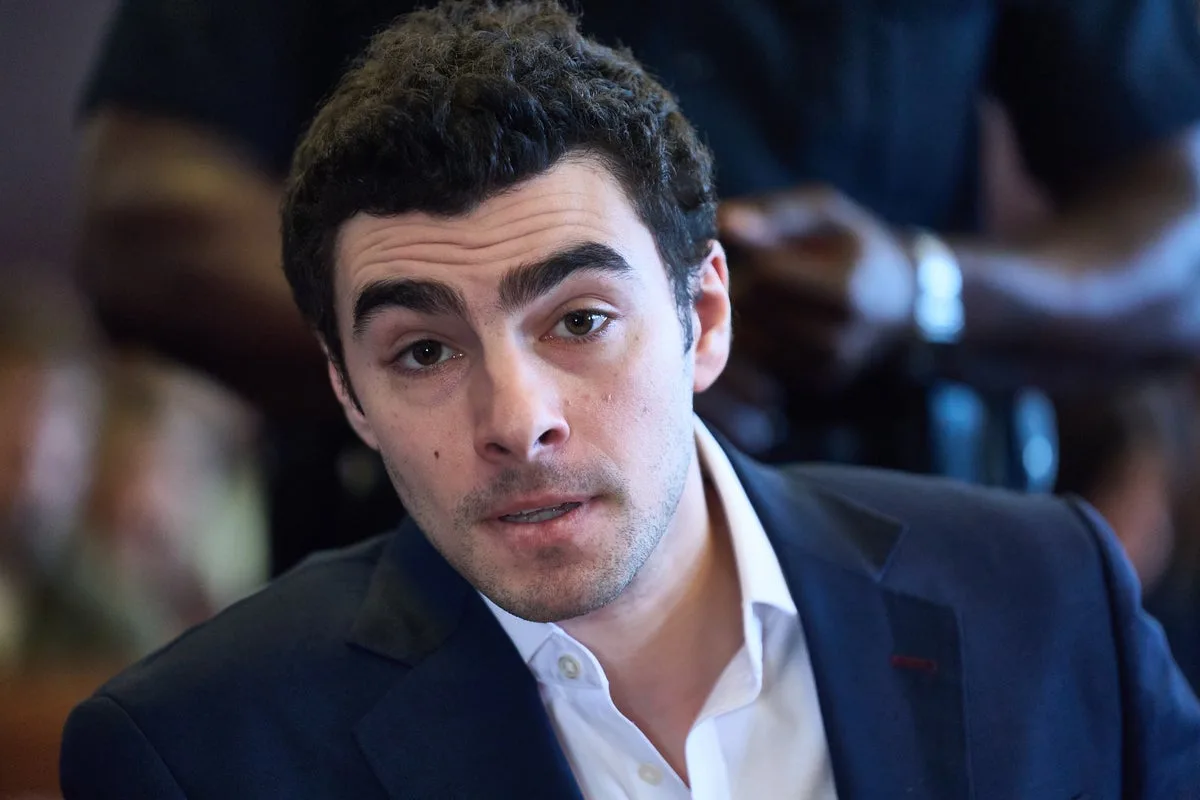
Luigi Mangione shouted at a judge during a court hearing on Friday, as a trial date was set for the murder of UnitedHealthcare CEO Brian Thompson. The 27-year-old yelled, “It’s the same trial twice. One plus one is two. Double jeopardy by any commonsense definition,” as he was led out of the courtroom.
Judge Gregory Carro scheduled the state murder trial to begin on June 8, three months before jury selection in the federal case, which is set for September 8. Mangione’s lawyers objected, arguing they would be consumed with preparing for the federal trial, which includes allegations that Mangione stalked Thompson before killing him. Defence lawyer Karen Friedman Agnifilo described the situation as “a tug-of-war between two different prosecution offices.”
The judge noted that federal prosecutors had apparently “reneged on its agreement to let the state, which has done most of the work in this case, go first.” Scheduling the state trial first could help Manhattan prosecutors avoid double jeopardy issues, as New York law bars a state prosecution if a federal trial for the same conduct occurs first. Mangione has pleaded not guilty to both state and federal charges, which carry the possibility of life in prison. Last week, the federal judge ruled that prosecutors cannot seek the death penalty.
Assistant District Attorney Joel Seidemann had requested a July 1 start for the state trial, arguing that the state has “priority of jurisdiction” because Mangione was arrested by New York City police. He also said Thompson’s family wanted the state trial to proceed first. Judge Carro indicated the state trial could be delayed until September 8 if an appeal delays the federal case.
Mangione, a University of Pennsylvania graduate from a wealthy Maryland family, was arrested five days after Thompson’s death on December 4, 2024, at a McDonald’s in Pennsylvania. Surveillance video showed a masked gunman shooting Thompson from behind in midtown Manhattan. Ammunition found at the scene bore the words “delay,” “deny,” and “depose,” mimicking a phrase used to describe insurer tactics.