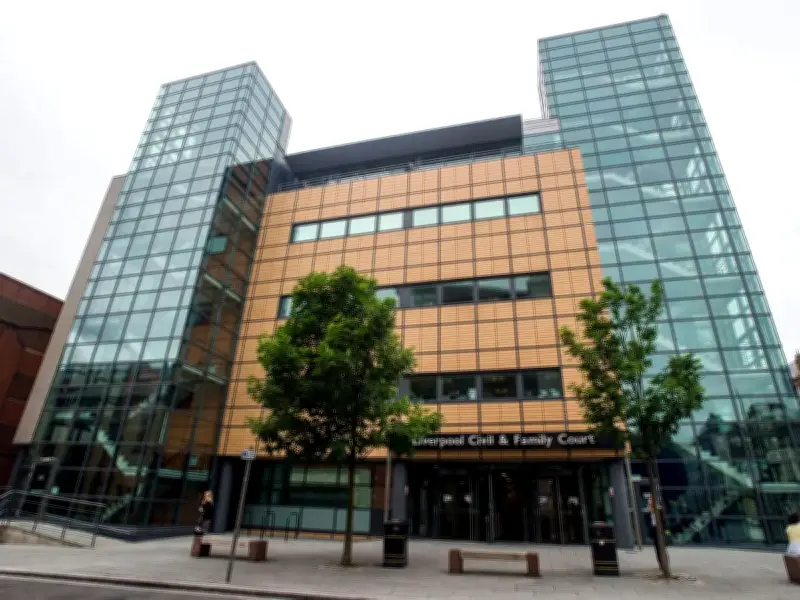
A Liverpool magistrate has been disciplined for misconduct after making “highly inappropriate” comments about migrants in Crewe town centre to his court colleagues. Neil Stevenson, who sits in the Family Court at Liverpool, made the remarks in the private retiring room between cases.
Comments in the Retiring Room
According to a misconduct ruling published this week, Mr Stevenson said he “did not like Crewe town centre” and made a series of comments about migrants and immigration. The ruling from the Judicial Conduct Investigations Office (JCIO) noted that his colleagues expressed discomfort and attempted to move the conversation on, but the discussion continued despite their efforts.
The comments “were perceived by colleagues as racially insensitive or, at the very least, highly inappropriate”, the JCIO said. Mr Stevenson was found to have breached a guideline about “treating others with impartiality, tolerance, courtesy and respect”.
Apology and Disciplinary Outcome
Mr Stevenson apologised for his behaviour and has now been issued with formal advice for misconduct by the Lord Chancellor and a senior judge. The JCIO said he accepted that he had used inappropriate language and repeatedly apologised for his comments and any offence caused.
He maintained that his comments were not intended to be racist, biased or discriminatory, stating that he had been describing a personal experience. He added that he would have apologised had the matter been raised with him at the time and offered to apologise to those affected. He also highlighted his previously unblemished record as a magistrate and his commitment to diversity and inclusion.
Ruling Details
The ruling states: “This case arose from a complaint concerning comments made by Mr Stevenson whilst sitting as a magistrate in the Family Court at Liverpool. It was alleged that, whilst discussing why he did not like Crewe town centre, he made inappropriate comments relating to migrants and immigration in the retiring room between cases. It was further alleged that the discussion continued despite colleagues expressing discomfort and attempting to move the conversation on.”
Judicial disciplinary proceedings are conducted in private, and the JCIO ruling does not reveal the exact comments made by Mr Stevenson or when the incident happened.