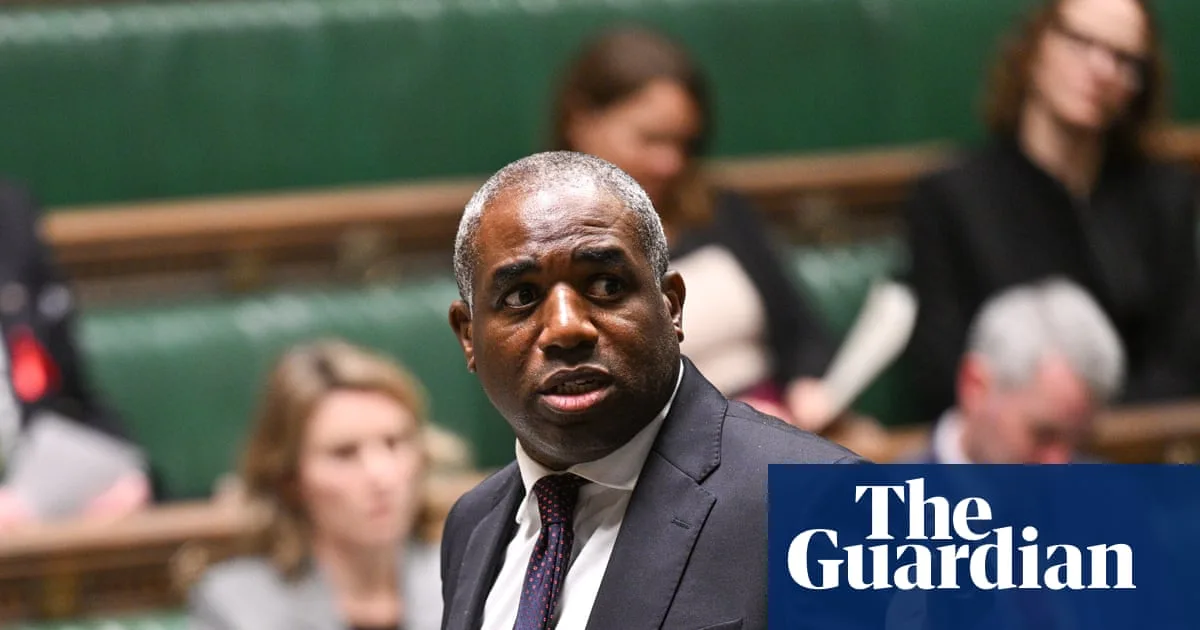
David Lammy has faced criticism from Labour MPs and peers after announcing plans to reduce jury trials in England and Wales, which he described as a 'bold blueprint' to tackle the court backlog. The justice secretary told the Commons that defendants will no longer have the option to choose a jury trial for certain offences, and magistrates' sentencing powers will be increased from one year to at least 18 months.
Under the proposals, jury trials will be reserved for 'indictable-only' offences such as murder and rape, and 'either-way' offences with a likely sentence of more than three years. Cases with sentences of three years or less will be heard in magistrates' courts or a new judge-led 'swift' court. The government estimates that 2,500 of the 15,000 cases currently heard by juries would be diverted to the new intermediate court, and 5,000 to magistrates.
Labour MPs including Stella Creasy, Clive Efford, and Richard Burgon voiced concerns, with Burgon comparing the policy to measures in Russia. Diane Abbott warned of miscarriages of justice for minority groups and women, while Baroness Helena Kennedy called the move 'shameful' and said it would be 'the end of jury trial'.
Lammy defended the reforms, citing Sir Brian Leveson's sentencing review and warning that without change, the caseload could reach 100,000 by 2028, denying justice to victims. The Commons passed the plans despite the backlash.