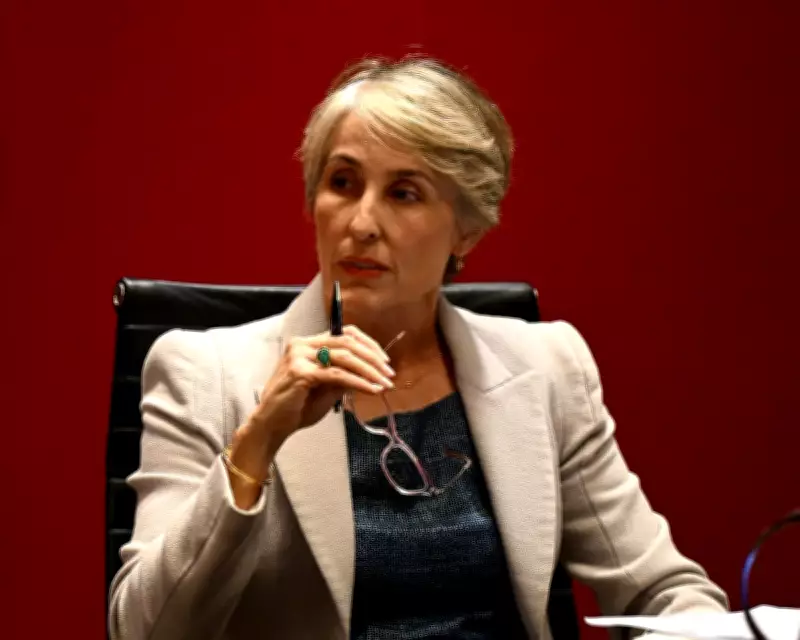
Judge Penelope Wass Cleared of Bias in Landmark NSW Prosecutor Case
In a significant legal development, Judge Penelope Wass has been cleared of bias allegations in a high-profile case involving a prosecutor in New South Wales. The ruling, delivered by a judicial review panel, marks a decisive victory for the judge and underscores the rigorous standards applied in assessing judicial conduct within the Australian legal system.
Background of the Bias Allegations
The case centred on allegations that Judge Wass displayed bias during proceedings against a prosecutor from New South Wales. The prosecutor had raised concerns about perceived unfair treatment, prompting a formal investigation into the judge's conduct. The allegations sparked widespread attention within legal circles, highlighting the delicate balance between judicial independence and accountability.
Judicial Review and Findings
A thorough judicial review was conducted to examine the claims against Judge Wass. The panel meticulously analysed court transcripts, witness testimonies, and procedural records. Their findings concluded that there was no evidence of bias or misconduct by Judge Wass. The panel emphasised that her actions were consistent with judicial protocols and did not deviate from established legal norms.

Key aspects of the review included:
- Evaluation of courtroom interactions and rulings.
- Assessment of the prosecutor's arguments and evidence.
- Consideration of precedents in similar bias cases.
Implications for the Legal System
This ruling has broader implications for the legal system in New South Wales and beyond. It reinforces the principle that judges are entitled to a fair assessment when facing allegations, ensuring that baseless claims do not undermine judicial authority. The case also serves as a reminder of the robust mechanisms in place to address concerns about judicial conduct, promoting transparency and public confidence.
Legal experts have noted that such outcomes help maintain the integrity of the judiciary, preventing frivolous challenges that could disrupt court proceedings.
Reactions and Future Outlook
Following the clearance, Judge Wass expressed relief and reaffirmed her commitment to impartial justice. The prosecutor involved has not publicly commented on the outcome. Moving forward, this case may influence how bias allegations are handled in future legal disputes, potentially leading to more streamlined review processes to prevent prolonged uncertainties.
In summary, the exoneration of Judge Penelope Wass in this bias case represents a pivotal moment for judicial accountability in New South Wales, upholding the standards of fairness and due process in the legal arena.