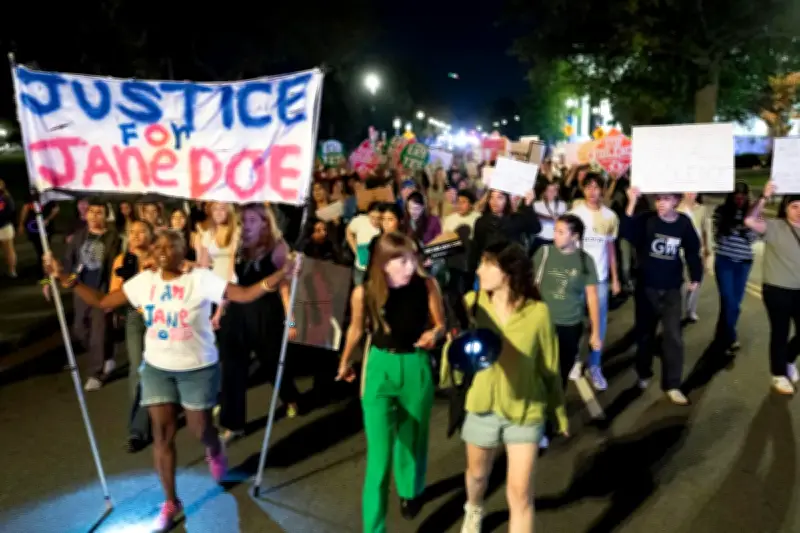
A New York state judge has ruled that the woman at the center of rape allegations against Cornell University students can continue using a pseudonym in her lawsuit, citing privacy and safety concerns.
Ruling on Anonymity
Judge Phaedra Perry-Bond ruled on Friday that the woman's privacy interests, particularly concerns for her safety, outweighed any need to publicly disclose her identity in court proceedings. The woman alleges she was drugged and raped by students at the elite Ivy League university in upstate New York in 2024.
She has become the target of threats, her lawyer, Thomas Giuffra, said earlier this month. The defendants in the lawsuit have not opposed the request for anonymity, as the woman continues to go by the generic placeholder name "Jane Doe" used in many legal or official situations, especially when a woman's identity is protected.
Judge's Warning on Threats
Perry-Bond wrote in a ruling released on Friday that "some members of the public have made it their mission to try and identify Jane Doe." The judge warned that "cyberstalking and engaging in or encouraging threats across state lines, whether it be of Jane Doe, of any of the named defendants, or their attorneys, can be considered a federal crime and perpetrators of those acts may be subjecting themselves to prosecution."
Background and Campus Protests
The woman in the Cornell case was 20 at the time of the alleged gang-rape at a fraternity house at the university. She filed her suit on 16 September, prompting prosecutors to reopen a criminal investigation they had initially closed without charges.
Mass protests erupted on Cornell's Ithaca campus earlier this month, with students criticizing officials' handling of Jane Doe's gang-rape allegations, demanding the university president's resignation and painting "SMASH THE PATRIARCHY" on an administration building. Protesters shouted "Ban the frats" and held signs saying "At Cornell, rapists are safer than women" and "Stop rape culture." Some demonstrators directed their anger at Michael Kotlikoff, Cornell's president, arguing he had failed to keep students safe and chanting, "Kotlikoff, resign!"