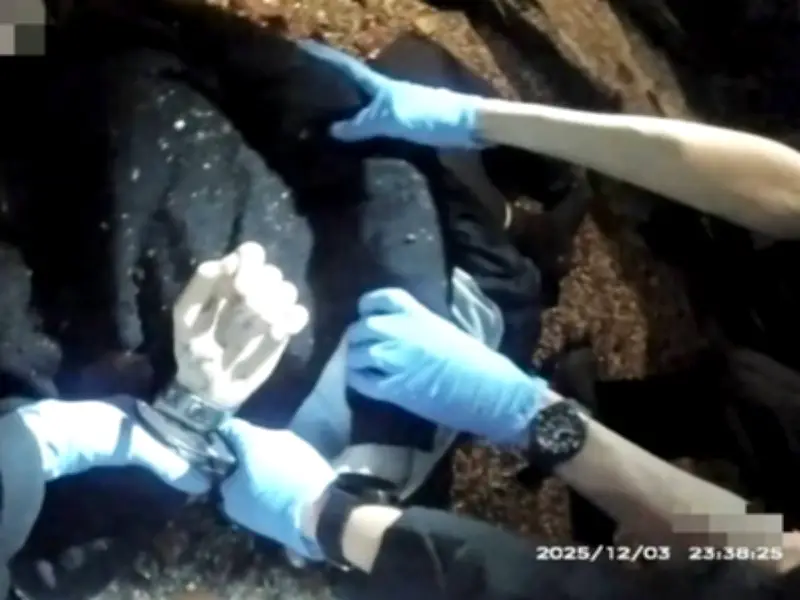
The Independent Office for Police Conduct (IOPC) has launched gross misconduct investigations into two Hampshire Police officers who handcuffed dying teenager Henry Nowak despite his desperate pleas for help after being stabbed. The 18-year-old university student, who told officers he could not breathe, was left without first aid and died at the scene.
Incident Details and Officer Actions
Henry Nowak, from Chafford Hundred in Essex, was in his first year studying accountancy and finance at the University of Southampton when he was fatally attacked by Vickrum Digwa. Despite telling officers he had been stabbed and begging for assistance, the two responding officers handcuffed him. Body-worn video footage released after the trial shows Henry being placed in handcuffs moments before he lost consciousness and subsequently died.
According to the IOPC, evidence suggests the officers may have breached professional behaviour standards regarding duties and responsibilities, use of force, and discreditable conduct. One officer is being investigated for potentially dismissing Henry's claim that he had been stabbed, while the other is under scrutiny to determine whether race or religion played a role in the decision-making.
Legal Proceedings and Public Reaction
Last month, Vickrum Digwa, 23, was jailed for life for the fatal attack. The court heard that Digwa told responding officers a "wicked lie" that he was the victim of a racist attack. Henry's death and the officers' actions sparked protests in Southampton, which escalated into violence. Multiple police officers were injured during clashes, and at least 28 people were arrested for offences including violent disorder and assaulting a police officer.
IOPC Statement and Investigation
IOPC director of engagement Derrick Campbell said: "We continue to extend our deepest sympathies to Henry's family and friends. Our investigators met with Henry’s family earlier this month, when we were able to discuss our investigation with them in depth, now that criminal proceedings have concluded. We are obliged to constantly review the evidence obtained throughout our investigations and assess any indications of potential misconduct for officers involved. As a result, two officers will now face gross misconduct investigations. There is clear evidence that public confidence in the force may have been seriously harmed by this incident, and that is a factor we must consider when assessing the evidence."
Campbell added that serving gross misconduct notices does not necessarily mean disciplinary proceedings will follow, and a decision on whether any officers should face disciplinary proceedings will be made at the end of the investigation. Henry's family has been informed of the investigation.