The Democratic Unionist Party (DUP) has announced its withdrawal from the Stormont power-sharing government in Northern Ireland, escalating a political crisis over the post-Brexit trade arrangements. The move comes after months of opposition to the Northern Ireland Protocol, which the party argues undermines the region's position within the United Kingdom.
Reasons for Withdrawal
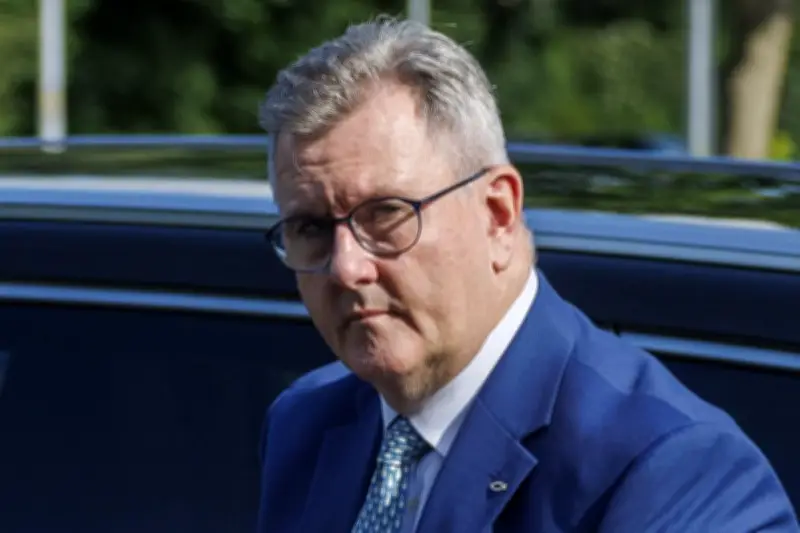
DUP leader Sir Jeffrey Donaldson stated that the party could no longer participate in the Executive while the protocol remains in place. He emphasized that the agreement, which created a trade border in the Irish Sea, erodes the constitutional integrity of Northern Ireland. The DUP has demanded the UK government act to remove the protocol, which it claims has caused significant economic and political disruption.
Impact on Power-Sharing
The withdrawal threatens the stability of the power-sharing institutions established under the 1998 Good Friday Agreement. Without DUP participation, the Executive cannot function effectively, potentially leading to fresh elections or direct rule from London. The move has been condemned by other parties, including Sinn Féin, which called it a reckless act that undermines the peace process.
- The DUP's decision follows the UK government's unilateral action to extend grace periods for checks on goods moving from Great Britain to Northern Ireland.
- The party has warned that it will not return to government until the protocol is replaced with arrangements that respect Northern Ireland's place in the UK internal market.
- The UK government has expressed disappointment but reiterated its commitment to protecting the Good Friday Agreement and finding a negotiated solution.
The situation remains fluid, with all eyes on London and Brussels as talks continue to resolve the impasse. The DUP's exit marks the most serious political crisis in Northern Ireland since the power-sharing government was restored in 2020.