A well-known celebrity accused of sexual misconduct could now be named after failing to appeal a High Court ruling that refused to block media reporting of the allegations.
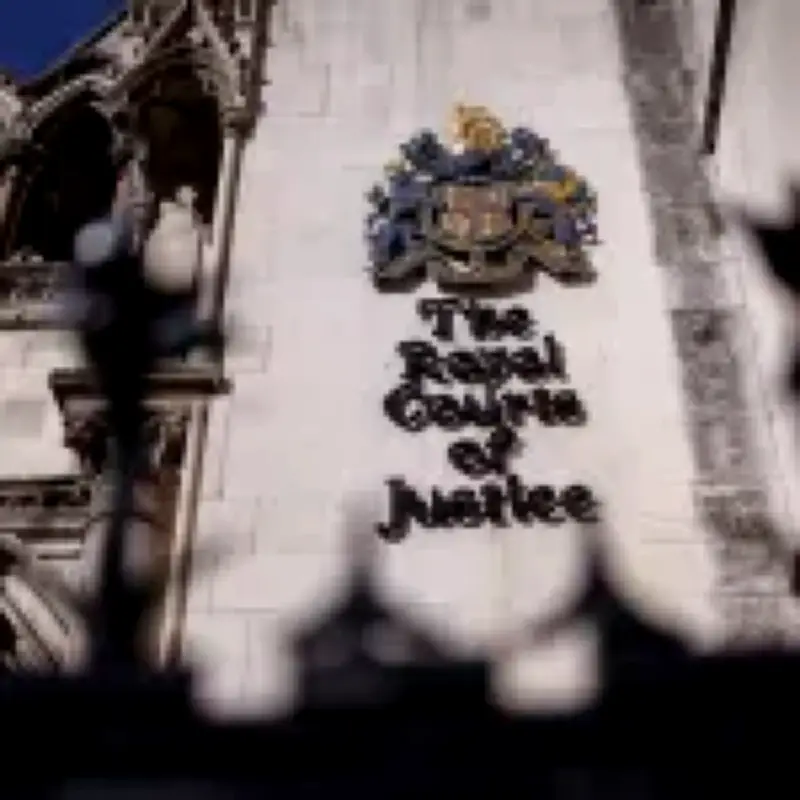
The man had asked the High Court to permanently prevent two news organisations from publishing his identity and the allegations against him. Mr Justice Nicklin refused to grant the injunction last week, ruling that ITN and The Guardian would be free to report on the allegations if the celebrity did not lodge an appeal by the deadline.
Deadline Missed
The man was given a deadline of 4.30pm on November 9 to appeal the decision, but seemingly failed to meet it on Monday. The Court of Appeal said it had not received anything from the star, suggesting the reporting restrictions may now be lifted.
The man brought legal action against Independent Television News (ITN), which produces news programmes for ITV, Channel 4, Good Morning Britain and Channel 5, and Guardian News and Media (GNM), publisher of The Guardian.
Allegations and Legal Arguments
The news outlets say they have interviewed more than 100 people with knowledge of the celebrity's alleged misconduct, including 30 with 'first-hand' accounts. Lawyers for the media organisations previously told the High Court in London the allegations they want to report involve the man's alleged 'abuse of power and status' to contact young women and try to engage in 'inappropriate and exploitative sexual activities'.
Sara Mansoori KC, representing the celebrity, said that her client was 'in a highly vulnerable position' and has 'not been in a position to give us instructions on any appeal'. Mansoori previously said the man denies the allegations of wrongdoing and that publication 'would have a potentially fatal impact', and that he has 'no intention of returning to public life'.
'The [media outlets] wish to publish allegations of wrongdoing which he denies and which the evidence is clear will highly likely lead to his death or psychological injury,' she said. 'They say they have a duty to publish because it's substantially in the public interest, but their assessment of the public interest is wrong. A newspaper does not have the right to publish information at the cost of an individual being killed or maimed.'
'The only way [publication] wouldn't be fatal is if the claimant is locked up and prevented from taking his own life.'
Court Ruling
However, Mr Justice Nicklin ruled that the celebrity's threat did not make suicide 'inevitable', and that an injunction would be 'an exceptionally serious restriction upon freedom of expression'.
'It would prevent [the media outlets] from publishing the results of their investigations and prevent their sources from communicating their accounts,' he said. 'I accept that publication would cause the claimant acute and potentially prolonged mental suffering. His vulnerability and the likely psychiatric consequences are matters of great seriousness.'
The celebrity first asked the court in the summer to stop the publication of the investigation after journalists contacted him with allegations. Samaritans are available day or night, 365 days a year, and can be called for free on 116 123 or visited at samaritans.org.