Russian forces are returning the bodies of slain Ukrainian soldiers with hidden explosives placed inside them, endangering investigators and delaying repatriation efforts, Ukrainian authorities have reported. The practice has forced mandatory safety checks before any identification work can begin.
Explosives Found in Bodies
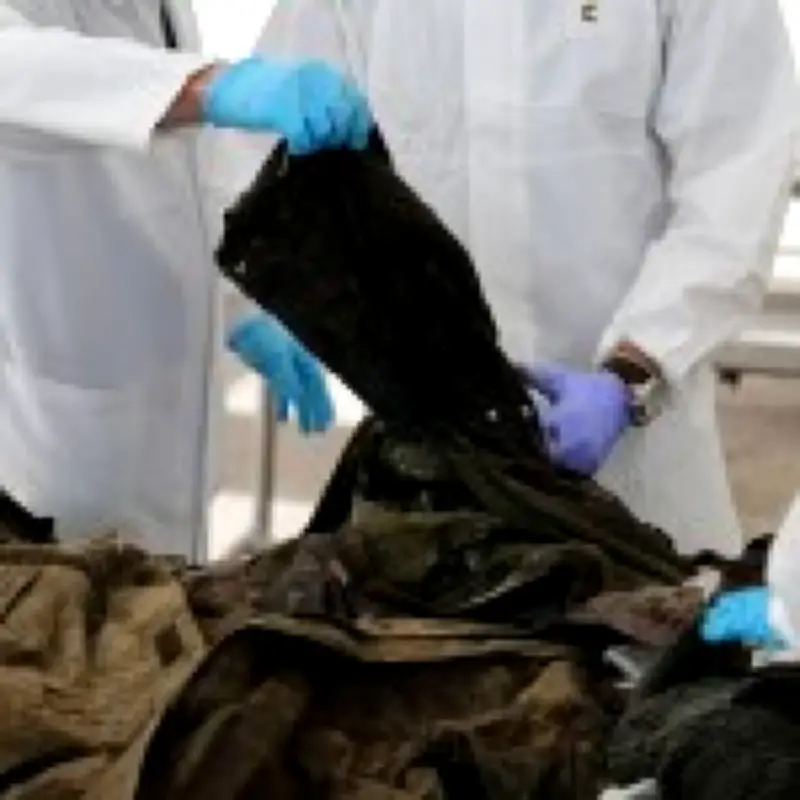
Taras Tarasenko, deputy head of the investigative department at the Kirovohrad Region Police Department, told Ukrinform that his team has repeatedly encountered dangerous items concealed in the bodies. 'First of all, we check whether there are any items that may pose a danger. Such cases have occurred more than once. We have found explosive objects, grenades and other things, so we work as carefully as possible,' he said.
Kirovohrad is home to the Centre for the Search for Missing Persons in Special Circumstances and the Identification of Unidentified Bodies of Servicemen. The 32-member team works around the clock to process the bodies of hundreds of Ukrainian soldiers and civilians that arrive daily, aiming to return them to their families for proper burials.
Delays and Risks
The hidden explosives have caused major delays in getting repatriated bodies back to families. Investigators must now conduct thorough safety checks before proceeding with identification, slowing an already grim and urgent task. The practice adds to a pattern of alleged Russian misconduct involving the dead.
Previously, Russia was found to be hiding its own slain soldiers and sending their remains back to Ukraine in Ukrainian uniforms, reportedly to avoid compensating the families of Russian soldiers. Other returned Ukrainian bodies have shown missing internal organs and signs of obvious torture.
Evidence of Torture
Ukrainian journalist Viktoriia Roshchyna, captured in 2023 in Zaporizhzhia, was tortured by Russian troops. Investigators found severe bruises, abrasions, broken bones and signs of electric shock. Her autopsy revealed that her brain, eyes and trachea were missing.
In Izium, a town recaptured by Ukrainian forces, 436 bodies – mostly women and children – were exhumed from a forest. At least 30 showed signs of torture, including ropes around necks, tied hands, broken limbs, and burn wounds. Several men had their genitals cut off.
Broader Context
Dozens of men from military units under Russia's command who were 'enablers' of war crimes in eastern Ukraine have been identified. The occupation of Izium, 30 miles from the Russian border, laid bare the levels of cruelty attributed to Vladimir Putin's troops.
The ongoing conflict continues to produce daily casualties, with Ukrainian authorities working tirelessly to identify and return the dead despite the added dangers posed by booby-trapped bodies.