Cold Case Cracked: Car Evidence Solves Decades-Old Murder Riddle
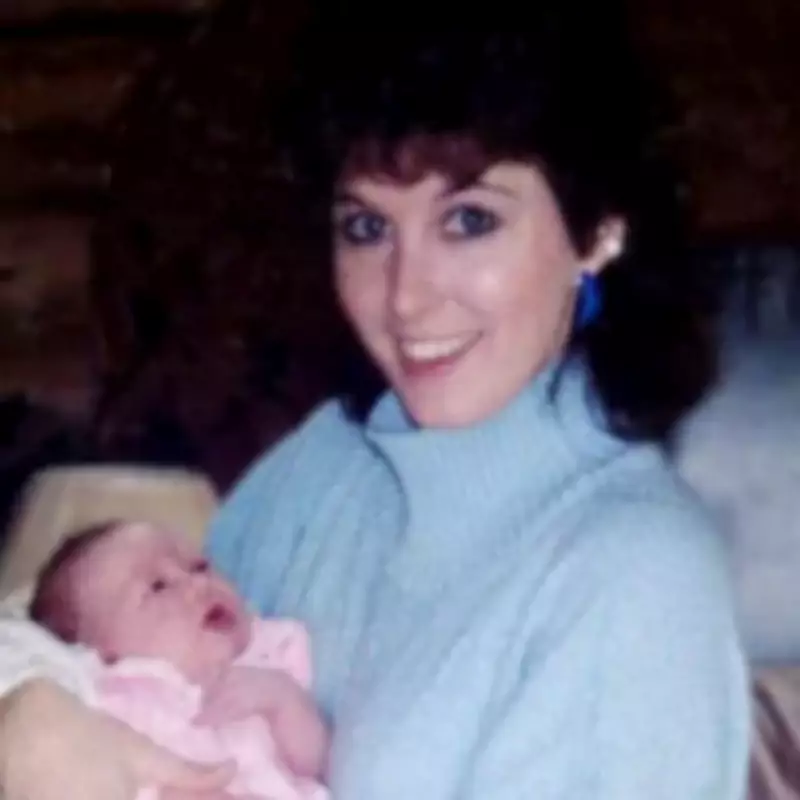
In a chilling turn of events, a mother's car became the key to solving her murder after 37 years of mystery. Deborah Atrops, a 30-year-old secretary and bookkeeper, had recently adopted a baby girl, fulfilling her dream of motherhood, but her marriage to Robert Atrops quickly deteriorated, leading to separation and a new life in Salem, Oregon.
A Sinister Disappearance
On November 29, 1988, Deborah left a hair appointment at 7pm to collect her daughter from her estranged husband's house, an eight-mile drive away. According to Robert Atrops, she never arrived. He called police around 9:30pm, expressing concern, and was advised to search the route himself on that foggy night. He reported back twice, saying he hadn't found her, but notably omitted that they were separated and didn't call her apartment, which police found suspicious.
Grim Discovery and Initial Investigation
Early on December 1, Deborah's black Honda was found at a remote Beaverton construction site, parked on a dead-end road with no plates, frosted windows, and keys inside. Her body was discovered face down in the boot, strangled with no sign of sexual assault. Mud covered her blue coat, black heels, and steering wheel, and someone had attempted to wipe down the vehicle. Robert Atrops, who lived five miles away, reacted calmly when informed, raising further red flags.

The murder investigation began, with Deborah's boyfriend, John Pearson, providing an alibi and passing a polygraph. In contrast, Robert Atrops refused a polygraph and hired a lawyer quickly. Phone records showed no evidence of the calls he claimed to have made to friends and family that night, leading detectives to suspect he was disposing of Deborah's car and body instead. However, with limited forensic technology in 1988, the case went cold as Atrops raised their daughter and remarried.
Breakthrough with Modern Forensics
In 2022, advanced testing revived the case. Soil samples from Deborah's coat were deemed "indistinguishable" from the soil on Atrops' front lawn, contradicting his claim that she hadn't been at his house for 10 days prior. DNA on the coat collar couldn't exclude Atrops, and the construction site where Deborah was found was linked to him through his roofing sales. When questioned about the missing phone calls, Atrops changed his story, suggesting he used a calling card, a detail that seemed implausible in an emergency.
Trial and Conviction
Atrops was arrested in March 2023 and charged with murder, pleading not guilty. The 2025 trial revealed testimony from former friends about marital arguments and an incident where Deborah alleged Atrops had choked her before she moved out. She reportedly told friends, "If anything happens to me, Bob did it," expressing fear over him discovering her new boyfriend. Prosecutors argued that Atrops' calls were part of constructing an alibi, knowing Deborah was dead.
The defense countered by suggesting Deborah's boyfriend had knowledge of the car boot and that Deborah had a history of fabricating stories for attention. They claimed phone billing could have been faulty and mud evidence was inconclusive. After a three-week trial, Atrops, then 70, was found guilty of second-degree murder and sentenced to life with parole possible after 25 years. His daughter maintains his innocence, but the jury delivered a verdict that closed the case after nearly four decades.
Deborah Atrops' murder, a tragedy that cut short her new beginning, has finally been resolved, though unanswered questions linger as Atrops continues to deny involvement. The car clue from beyond the grave proved pivotal in bringing long-awaited justice.