Pavement Parking Puts Communities at Risk, Say Councillors
Two Cardiff councillors are urging the Welsh Government to introduce a blanket ban on pavement parking across Wales, arguing that the practice makes streets unsafe and particularly endangers vulnerable residents. Currently, pavement parking is illegal only in London and Scotland, though fines can be issued elsewhere if a vehicle is parked dangerously or causes an obstruction.
Local Impact: Fear and Inaccessibility
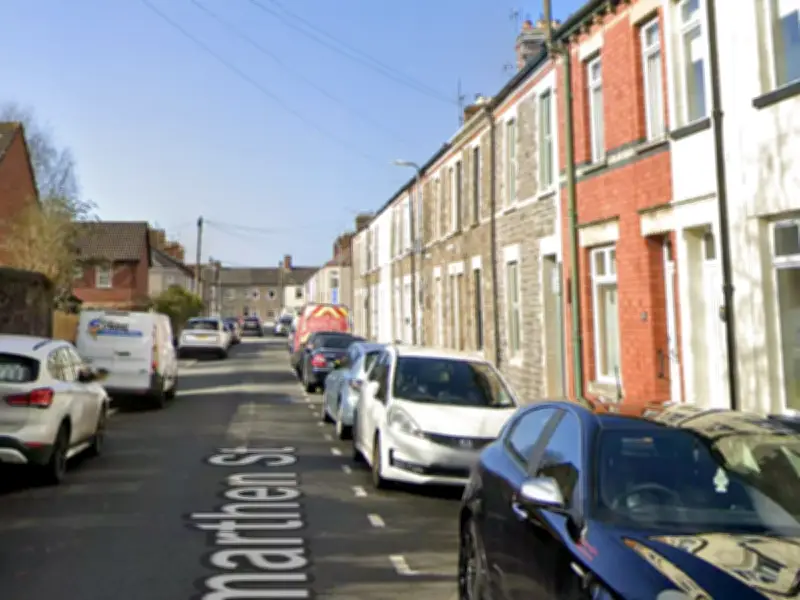
Independent councillor Susan Elsmore, representing Canton, highlighted the severe impact on her ward. She noted that Carmarthen Street is surrounded by primary schools and nurseries, with many parents using pushchairs. Residents with limited mobility or sight loss are also affected. “Cars are parked on pavements daily in this area. It has a profound impact on residents,” she said. “People tell me they’re frustrated because there are some places they can’t access. This has a particular impact on older generations, and some older people have developed a fear of going out.” Elsmore called for a ban to improve lives across Wales.
Liberal Democrat councillor Rhys Taylor, representing Gabalfa, echoed these concerns. “Pavement parking makes communities like mine unsafe for everyone,” he said. “It makes routes to school and work less safe, pushes pedestrians into the road and passing traffic, and creates a visual obstruction for drivers.”
Widespread Problem Across Wales
A recent survey by Living Streets, a UK charity advocating for safer pavements, found that nine in ten Welsh councillors have received complaints about pavement parking from constituents. In May, the UK government announced increased powers for English local authorities to tackle the issue, but no similar legislation has been introduced in the Senedd.
Welsh Government Response
A Welsh Government spokesperson acknowledged the problem: “We know that pavement parking is a widespread problem across Wales, particularly for disabled people, parents with pushchairs and older residents. This government places a high priority on enabling and encouraging more people to make everyday journeys on foot. Pavement parking runs counter to this aim, which is why we are committed to changing driver behaviour, backed by effective enforcement. We are currently investigating how best to give local authorities the powers they need to tackle this problem.”
Cardiff Council's Parking Plan
Cardiff Council outlined its approach: “The council has launched a new city parking plan designed to manage parking across the city. The introduction of designated parking zones will ensure that all road space is controlled, helping to maintain order and encourage responsible parking. During the time when the parking zone is enforceable, all vehicles must be parked correctly within a designated parking space. Evidence from areas where parking zones have already been implemented shows a marked improvement in parking behaviour. This is because any vehicle parked irresponsibly within the zone can be issued with a Penalty Charge Notice (PCN), reinforcing compliance and fairness for all road users.”
Charity Calls for Action
Ruth Billingham, head of campaigns at Living Streets, warned that many pavements in Wales have become “no-go zones for people with wheelchairs, guide dogs and pushchairs.” She added: “The new Welsh Government has the opportunity to take action against pavement parking and avoid getting left behind Scotland and England.”