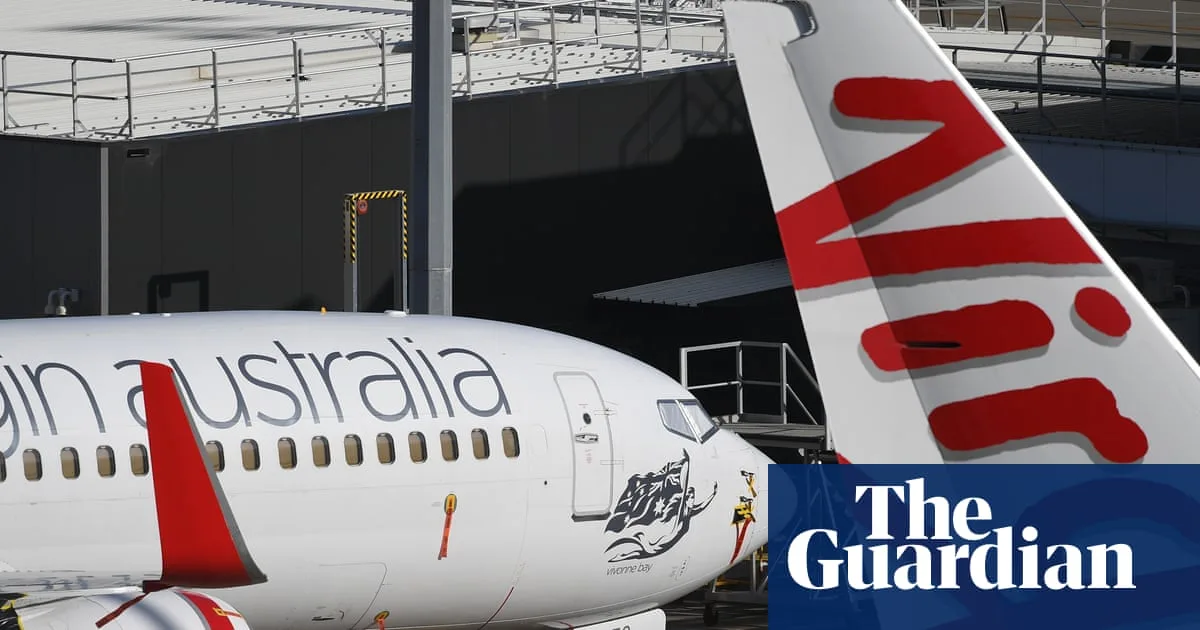
Vape Device Ignites Mid-Air on Virgin Australia Flight to Melbourne
Vape Sparks Cabin Fire on Virgin Australia Melbourne Flight

A Virgin Australia flight bound for Melbourne was met by emergency crews after a vaping device ignited inside the aircraft cabin during its descent, causing a small but alarming fire onboard. The incident occurred on Sunday aboard flight VA328, which was travelling from Brisbane to Melbourne when the device unexpectedly activated as the plane prepared to land.

Emergency Response Activated

According to airport officials, the pilots issued a "PAN" alert—a signal used in aviation to indicate an urgent situation that may require assistance. "As a precaution and in accordance with standard procedures, emergency services were placed on standby," a spokesman for Melbourne Airport confirmed. The aircraft landed safely at its destination and was able to taxi to the terminal while aviation fire and rescue crews followed closely as a safety measure.

Swift Crew Action Prevents Escalation

All passengers and crew disembarked normally at the gate, with no injuries reported. A spokesperson for Virgin Australia praised the crew's quick response, stating they acted swiftly to contain the device. "The safety of our guests is our highest priority, and we thank our crew for their swift response in containing the device," the spokesperson said. Fire crews later removed the device from the aircraft for further investigation.

Aviation Safety Guidelines Under Scrutiny

Virgin Australia's guidelines explicitly state that vapes and e-cigarettes must be carried in hand luggage only. "When packed or carried on board you need to prevent the item from being accidentally turned on," the airline advises. Additionally, the Civil Aviation Safety Authority requires spare batteries for e-cigarettes to be kept in their original packaging or stored separately in protective pouches or plastic bags, with terminals protected to prevent short-circuiting.

Lithium-Ion Battery Risks Highlighted

Vapes are powered by rechargeable lithium-ion batteries, which can overheat, catch fire, or explode if they are damaged, overcharged, or exposed to extreme temperatures. This incident underscores the growing concerns within the aviation industry regarding the fire risks associated with these batteries.

Industry-Wide Safety Measures Intensify

The Sunday incident occurs as airlines and aviation authorities have been tightening rules on carrying power banks and similar devices onboard aircraft due to the inherent fire risks linked to lithium-ion batteries. Virgin Australia introduced restrictions on the use of power banks on flights in December, with Qantas implementing a similar policy. Virgin had begun reviewing its power bank policy in July after cabin crew were forced to extinguish a fire on a mid-air flight between Sydney and Hobart, highlighting a pattern of safety challenges.

This event serves as a stark reminder for passengers to adhere strictly to aviation safety protocols regarding electronic devices, ensuring that all items are properly stored and secured to prevent accidental activation during flights. The aviation community continues to monitor and adapt regulations to mitigate such risks, prioritising passenger and crew safety above all else.




