

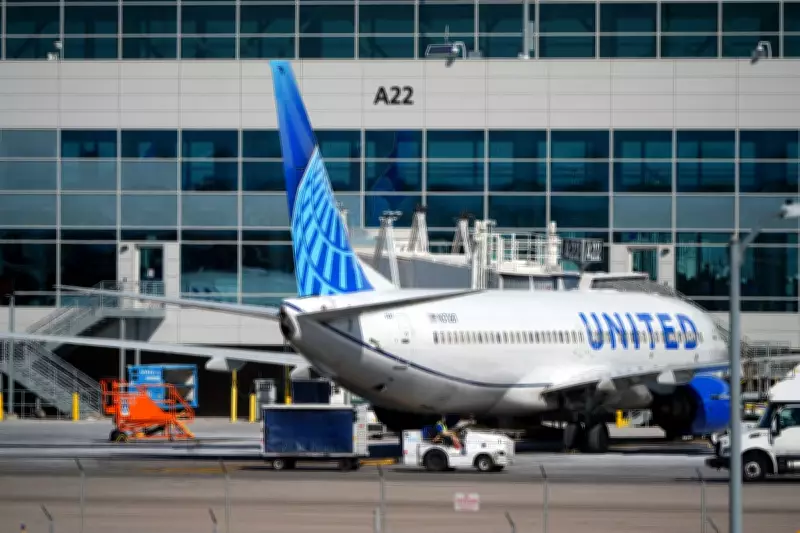
United Airlines has announced a significant increase in checked baggage fees, with most travelers now required to pay an additional $10 per bag starting this Friday. This adjustment comes as soaring jet fuel costs, exacerbated by ongoing conflict in the Middle East, continue to impact the airline industry's operational expenses.
New Fee Structure and Exemptions
According to United Airlines, customers traveling within the United States, Mexico, Canada, and Latin America will now face charges of $45 for their first checked bag and $55 for their second piece of luggage. This marks the first baggage fee hike implemented by the carrier in two years.
However, certain passenger groups will still benefit from a complimentary first checked bag. These exemptions apply to co-branded credit card holders, specific loyalty-tier members, active military personnel, and travelers booked in premium cabins. Additionally, customers who check their bags less than 24 hours before departure will incur an extra $5 fee.

Industry-Wide Impact of Fuel Price Surges
The decision by United Airlines follows a similar move by JetBlue, which increased checked baggage fees by up to $9 during peak travel periods earlier this week. Both airlines attribute these adjustments to the severe disruption of global oil supplies caused by the Middle East conflict, particularly affecting the Strait of Hormuz—a critical passageway for approximately one-fifth of the world's oil.
This geopolitical instability has led to volatile crude oil prices, directly influencing airline operating costs since jet fuel is refined from crude. JetBlue has stated that charging more for optional services helps maintain competitive base fares, while still offering free first checked bags to select customers.
Quantifying the Fuel Cost Increase
Recent data from Argus Media highlights the dramatic rise in jet fuel prices. The average cost per gallon across major hubs in Chicago, Houston, Los Angeles, and New York reached $4.88 on Thursday, a substantial increase from $2.50 before the conflict began on February 28. The Argus U.S. Jet Fuel Index tracks these average prices, providing critical insights into market trends.
United Airlines CEO Scott Kirby recently informed investors that higher jet fuel costs have already added approximately $400 million to the company's operating expenses. Similar figures have been reported by the CEOs of Delta Air Lines and American Airlines, underscoring the widespread financial pressure within the industry.
Broader Implications for Travelers
Fuel typically represents the second-largest expense for airlines, following labor costs. Industry analysts anticipate that U.S. carriers will continue to pass these increased costs onto travelers through higher add-on fees or ticket adjustments, as they generally do not implement fuel surcharges. In contrast, numerous non-U.S. airlines have already introduced fuel surcharges to mitigate rising expenses.
This fee hike reflects a broader trend in the airline sector, where operational challenges and external economic factors are prompting carriers to revise pricing strategies. Travelers are advised to review baggage policies carefully and consider available exemptions to manage their travel expenses effectively.






