

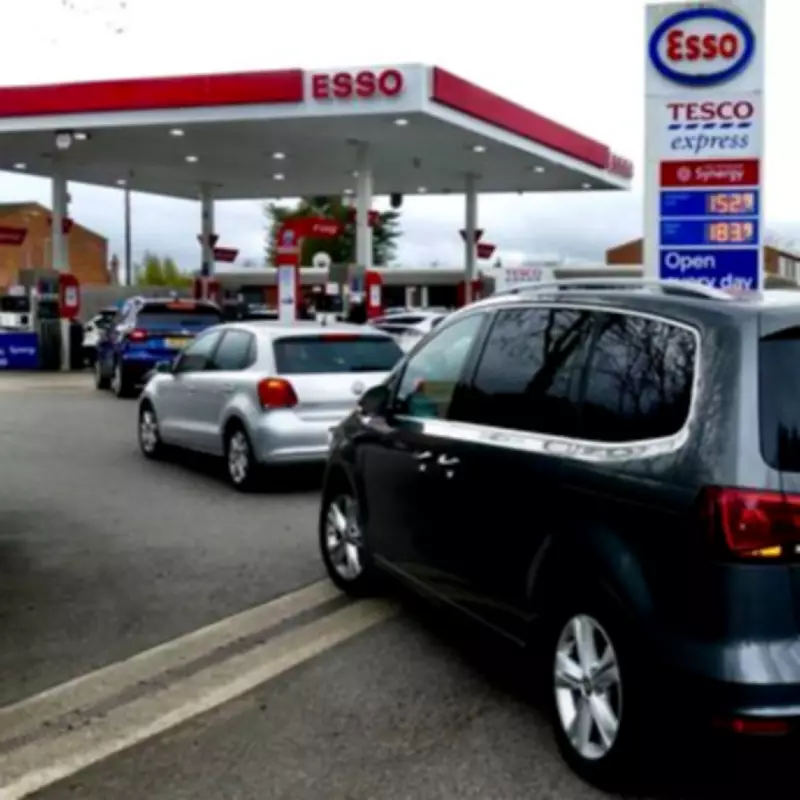
UK motorists are being strongly urged to fill up their vehicle tanks before Thursday at 5pm, as fuel prices across the nation skyrocket to their highest levels in years. This urgent advice comes despite a significant recent fall in global oil prices following the announcement of a US-Iran ceasefire agreement.
Diesel and Petrol Prices Reach Alarming Heights
According to the latest figures from the RAC, the average price of diesel across the United Kingdom has now exceeded 190p per litre, marking a dramatic surge. Specifically, the average diesel price was recorded at 191.11p on Thursday morning, representing an increase of more than 34 percent since February 28. Petrol prices are also continuing their upward trajectory, with average unleaded prices hitting 158.1p, and forecasts indicating that this figure is likely to rise further in the coming days.
Expert Insights on the Fuel Crisis
Simon Williams, the head of policy at the RAC, commented on the situation, stating, "Both fuels are now at their most expensive since late 2022. The conditional ceasefire announcement may have taken some heat out of global oil prices, but the outlook for drivers in the UK remains highly uncertain." He added, "The best hope in the short-term is that pump prices stop rising at the rate they have been and hopefully top out in the coming days."

Impact of the Iran Conflict on Global Oil Supply
The sharp spike in fuel prices follows the outbreak of the Iran conflict on February 28, which led to the forced closure of the Strait of Hormuz. This vital waterway is responsible for handling approximately 20 percent of the world's daily oil supply. The blockade has severely disrupted the transportation of Middle Eastern oil and gas supplies, sending energy costs sharply upwards across global markets.
Recent Developments in Global Oil Prices
Global oil prices tumbled sharply last week after the United States and Iran announced a conditional two-week ceasefire agreement that requires the strait to be reopened to US vessels. Benchmark Brent crude prices fell by roughly 13 percent to $94.80 (£70.73) per barrel, while US-traded oil plummeted more than 15 percent to $95.75. However, despite this decline, oil prices remain higher than the levels seen when the conflict first broke out, when costs stood at approximately $70 per barrel.
When Will Drivers See Relief at the Pumps?
Industry experts have warned that motorists will need to be patient before feeling the full benefits of the recent oil price drop at the pumps. Many analysts expect it will be at least a fortnight before fuel prices drop considerably across the UK. In the meantime, drivers are advised to adopt savvy strategies to ease the financial burden of refuelling.
Practical Tips for Saving on Fuel Costs
William Fletcher, CEO of Car.co.uk, offered practical advice, saying, "Prices usually rise on Thursday evening and stay elevated through Sunday. If you can plan ahead and fill up mid-week instead, you'll typically save 2-3 pence per litre, which adds up quickly over a year of driving." This timing strategy could provide significant savings for regular commuters and long-distance travellers alike.
Government Monitoring of Fuel Prices
The Department for Energy compiles weekly fuel price figures as part of a comprehensive survey that has been running since 2003. This survey covers around 60 percent of the total market volume sold in the UK, with average prices calculated every Monday to provide accurate and up-to-date information for consumers and policymakers.






