

Motorists throughout the United Kingdom are being strongly advised to refresh their understanding of road signage, as new insights from insurance specialists highlight a persistent and widespread confusion surrounding one of the Highway Code's most iconic yet frequently misunderstood symbols.
The Problematic Sign
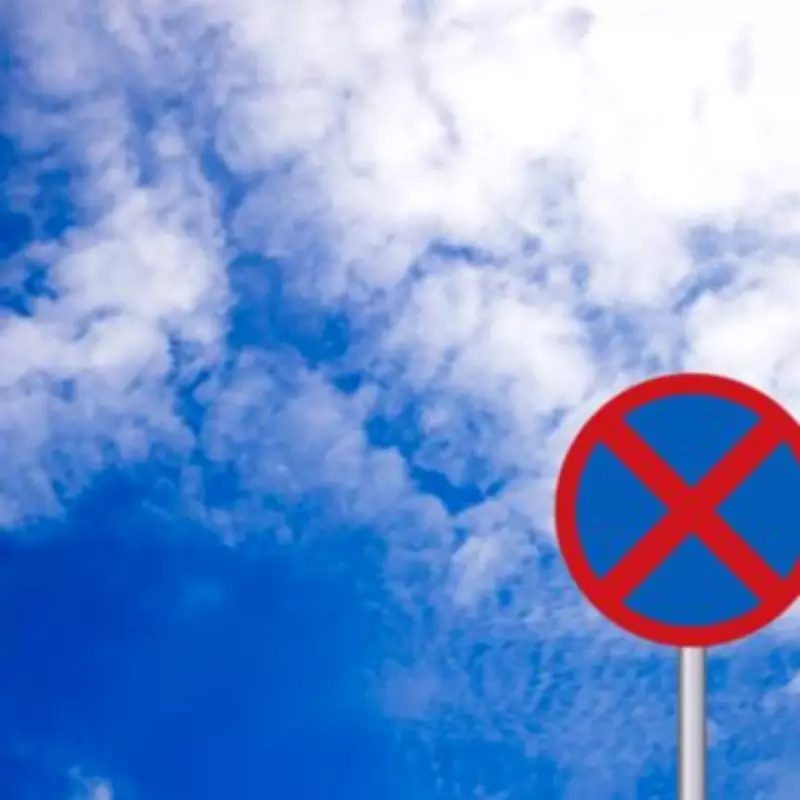
The sign causing significant bewilderment features a distinctive red circle set against a blue background, with a bold red diagonal cross slicing through the centre. Despite its prevalence on British roads, a surprising number of drivers remain unclear about its precise legal meaning and the strict restrictions it imposes.
Expert Analysis and Data
According to detailed analysis from the insurance experts at One Sure Insurance, misunderstanding road signs is far more common than many motorists assume. Supporting data from the AA (Automobile Association) reinforces this concern, indicating that while a majority of drivers consider themselves safe and competent, approximately half admit to struggling with specific elements of the official Highway Code.

This knowledge gap is not merely academic; it has real-world consequences. Drivers operating under misconceptions can inadvertently violate traffic laws or misinterpret critical instructions while navigating, potentially leading to penalties or creating dangerous situations for themselves and other road users.
Decoding the Clearway Sign
So, what does this red-and-blue crossed sign actually mean? It designates a clearway. This is a critical traffic regulation that prohibits drivers from stopping their vehicles at any time on that stretch of road, except in the case of a genuine emergency.
This rule is absolute and differs from other, more lenient restrictions. For example, it forbits stopping for any of the following common reasons:
- Picking up or dropping off passengers.
- Checking directions or a sat-nav.
- Making a mobile phone call.
- Waiting briefly in a stationary vehicle.
Because stopping is entirely banned, any driver who pulls over in a clearway zone, even momentarily, faces the risk of receiving a fixed penalty notice or a fine.
A Source of Confusion: Similar Signs
One key factor contributing to the muddle is the sign's visual similarity to other UK road signs that also combine red and blue. A primary example is the no waiting sign, which displays a single red horizontal line across a blue circle.
This 'no waiting' symbol is less restrictive; it permits drivers to stop briefly to drop off or collect passengers. The clearway sign with the red cross, however, signifies no stopping whatsoever, representing a far more stringent prohibition. Failing to distinguish between these two can lead motorists to believe they are acting lawfully when they are, in fact, committing a traffic offence.
Purpose and Placement of Clearways
Clearways are typically implemented on high-capacity, busy routes where any stopping could cause severe congestion or present a direct safety hazard. These often include major arterial roads leading into city centres, key commuter corridors, and other high-traffic thoroughfares.
The fundamental objective of the clearway rule is to maintain a smooth, predictable flow of traffic and to minimise risks associated with sudden braking, unexpected obstructions, or vehicles parked in hazardous locations.
Expert Recommendations for Drivers
For drivers who feel uncertain about any road signs, traffic safety experts unanimously recommend a thorough review of the latest Highway Code. Ensuring full comprehension is essential, as misunderstandings can directly result in financial penalties or contribute to hazardous incidents on the road.
Refreshing one's knowledge of road signage is a simple yet effective step that can help motorists avoid fines, prevent collisions, and reduce the likelihood of costly insurance claims.

A spokesperson for One Sure Insurance emphasised the seriousness of the issue, stating: "We frequently see accidents or traffic violations occur because drivers simply do not understand or recognise certain road signs. These mistakes might appear minor initially, but they can escalate into fines, insurance claims, and, in the worst scenarios, serious accidents. It is absolutely vital to take the time to properly understand every road sign you encounter on your journeys."





