

Major UAE Airlines Impose Iranian Travel Ban Amid Escalating Regional Conflict
Three of the United Arab Emirates' largest airlines—Emirates, Etihad, and FlyDubai—have announced a significant update to travel restrictions, barring Iranian nationals from entering or transiting through the UAE. This decision, confirmed on Wednesday, April 1, 2026, comes as flights across the Middle East face widespread disruptions due to escalating regional tensions.
Background of the Conflict and Airline Disruptions
The travel ban follows a series of targeted actions by Iran in response to joint US-Israeli strikes that began on February 28, 2026, hitting several key sites in the ongoing conflict. Iran has repeatedly directed its responses toward the UAE, leading to increased security concerns. Flights have been severely disrupted across the region as a result of these hostilities, with airlines adjusting schedules and routes to ensure passenger safety.
Emirates, Etihad, and FlyDubai have aligned their policies, issuing the order in coordination, although entry rules in the UAE can often be unclear and subject to rapid changes. Authorities have not provided an official comment on this specific ban, leaving the airlines to implement the measures independently.

Details of the Travel Restrictions and Exceptions
The ban applies broadly to Iranian passport holders, but it includes an important exception: individuals holding 10-year Golden Visa residency permits are still permitted to enter the country. This nuance highlights the UAE's attempt to balance security measures with the needs of long-term residents and investors.
In a related move, Dubai has already taken steps to limit Iranian influence within the city-state by shutting down the Iranian Hospital and Iranian Club. These institutions, which have historical roots dating back to the era of the shah, represent longstanding cultural and community ties that are now being severed amid the geopolitical strife.
Recent Drone Attacks Intensify Regional Tensions
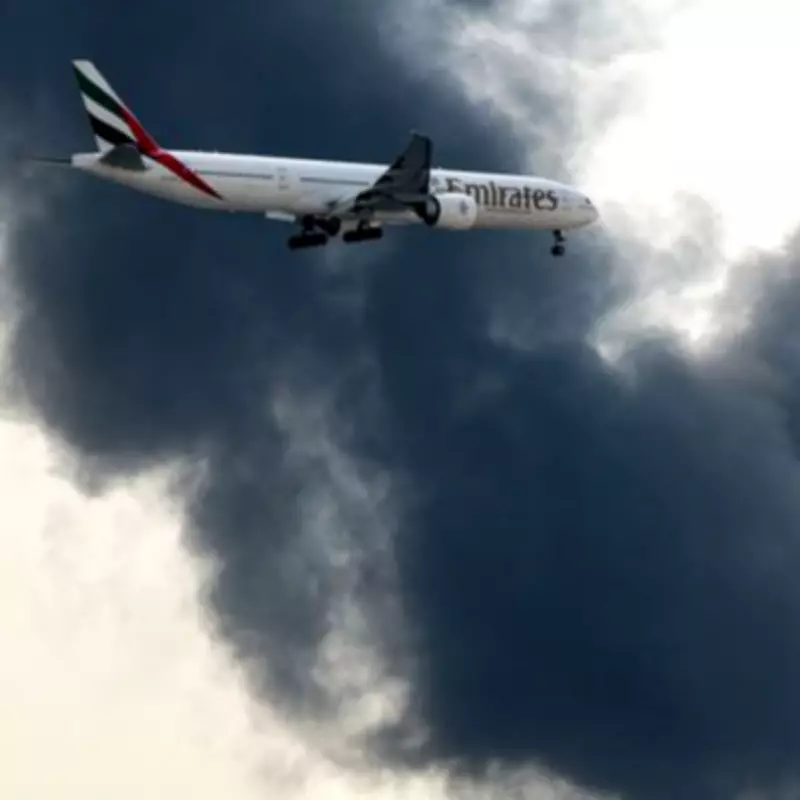
The airline ban coincides with recent drone attacks that have further destabilized the region. On March 16, 2026, a drone strike hit a fuel tank near Dubai International Airport, causing a significant fire and forcing flight diversions. This incident, captured in images showing an Emirates Airbus A350 preparing to land as smoke plumes rose, underscored the direct threats to aviation infrastructure.
Separately, early on Wednesday, April 1, a drone attack by Iran and its allies targeted a fuel tank at Kuwait International Airport, sparking a large fire, as reported by the state-run KUNA news agency. Authorities confirmed there were no immediate injuries, but firefighters worked tirelessly to control the blaze. This attack marks another instance in a pattern, as Kuwait International Airport has been previously targeted by Iran during the conflict, highlighting the broader regional impact beyond the UAE.
Implications for Travel and Regional Stability
The combined effects of the travel ban and drone attacks have created a complex scenario for Middle East aviation:
- Flight cancellations and reroutings are increasing operational costs and passenger inconvenience.
- Airlines are implementing enhanced security protocols to mitigate risks from ongoing hostilities.
- The conflict shows no signs of abating, with Iran continuing its targeted responses against regional countries.
As the situation evolves, travelers are advised to stay updated with airline announcements and regional advisories. The UAE's move to restrict Iranian travel reflects a proactive approach to national security, but it also signals the deepening fractures in Middle East diplomacy and the tangible impacts on everyday life and commerce.






