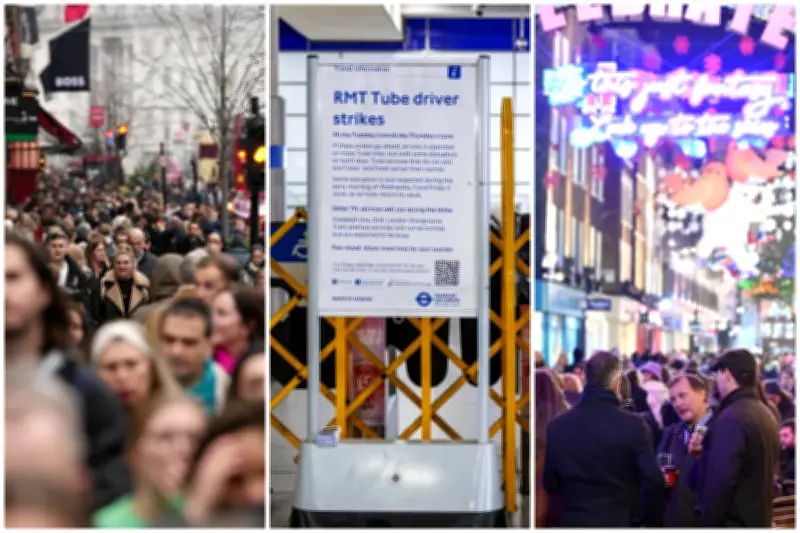
Business chiefs in London have urged the RMT union and Transport for London (TfL) to reach an agreement to prevent a series of “damaging” Tube strikes from disrupting the capital during the crucial Christmas trading period.
RMT drivers have announced plans for a series of 24-hour strikes over the coming months as part of an ongoing dispute over a four-day working week. The walkouts on the London Underground are due to take place on eight separate days between Thursday, November 26 and Thursday, February 25.
Three strikes before Christmas Day
Three of the strikes are scheduled to take place before Christmas Day, prompting warnings from business leaders that the disruption could deal a serious blow to London's hospitality and retail sector at one of its busiest times of the year. The industry is already grappling with soaring operating costs, rising labour expenses and changing consumer spending habits, with business chiefs warning the strikes will bring “no festive cheer” this year.
Christmas is a crucial trading period for pubs, restaurants and other hospitality businesses, with many relying on the festive rush to boost their annual turnover. But with Tube services facing disruption on key dates, businesses fear the strikes could cause significant “damage” to trade.
Ed Richardson, Transport Programme Director at BusinessLDN, said: “These strikes will not bring any festive cheer to Londoners and visitors that rely on the Tube to get around the city.
“While many people will be able to work from home or use other modes of travel, it will hit the hospitality sector particularly hard during the vital Christmas trading season.
“We urge both sides to reach an agreement urgently and avoid these damaging strikes.”
Dispute over four-day week
The RMT and TfL have been locked in talks for months over proposals for a four-day week for Tube drivers, many of whom earn an average of more than £70,000, following industrial action earlier this year. TfL presented the union with the final proposals a few weeks ago and they have failed to break the deadlock in the negotiations over the changes which have been fully backed by the Aslef union.
Tube strikes in June had a significant impact on London's hospitality businesses, according to data from restaurant analytics platform Tenzo. Venues saw sales fall by 6 per cent on Tuesday, June 2, and 13.1 per cent on Thursday, June 4, compared with the same days the previous week. Across both strike days, the median venue saw sales fall by around 10.4 per cent. This was a sharper impact than the April strikes, when sales fell by a median of 4.8 per cent across the four-day period.
The strikes also led to a drop in customer numbers, with the median venue recording 6.9 per cent fewer transactions on Tuesday and 11.7 per cent fewer on Thursday compared with the same days the previous week. The figures suggest the fall in sales was largely driven by fewer customers visiting venues, rather than people spending less when they did visit.
Union and TfL responses
The RMT union say drivers will work longer days and face longer hours driving trains, but TfL insists the changes are voluntary and would essentially mean that drivers would work fewer hours overall. RMT general secretary Eddie Dempsey said: “London Underground is attempting to dress up a wholesale attack on drivers' working conditions as a voluntary four-day week.
“But there is nothing voluntary about a scheme that forces drivers to give up existing protections whether they work four days or five, and threatens those who refuse with displacement from their depots.”
The London Underground rejected claims about displacement from depots. LU director of customer operations Nick Dent said: “We have engaged with our trade unions for months about our proposal for a new four-day working week.
“As a result of that engagement, drivers can now choose to remain on a five-day week with a guarantee of remaining at the same depot.”
Karim Fatehi, chief executive of the London Chamber of Commerce and Industry, also condemned the strike action during the “vital” Christmas trading period. She said: “The days immediately before Christmas are vital trading days for thousands of businesses across the capital, while hundreds of thousands of visitors come to London over the festive period to shop, dine, stay in hotels and enjoy everything the city has to offer.
“Disrupting the transport network at this time risks costing businesses valuable revenue, deterring visitors and making it harder for staff and customers to get around.”