

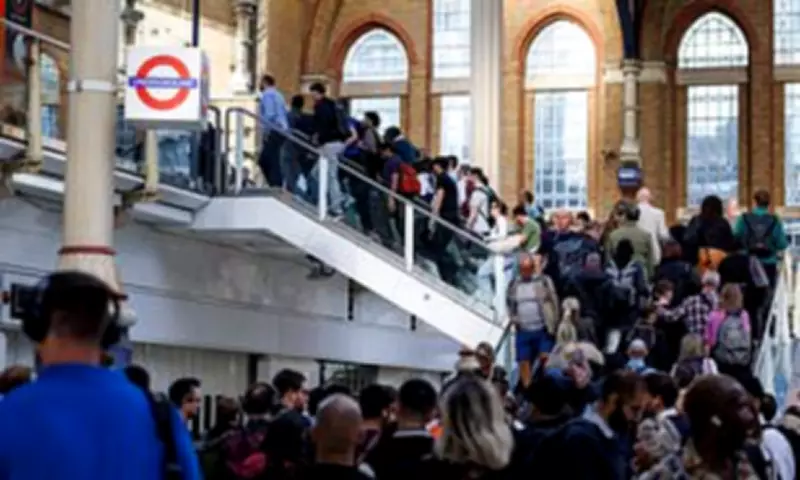
Tube Strikes Bring London to a Standstill Amid Union Dispute
Militant union bosses have been accused of holding Londoners hostage as Tube drivers, earning an average base salary of £72,000 per year, prepare to cripple the capital with yet another strike. The Rail, Maritime and Transport union (RMT) has confirmed its members will walk out from 12pm for 24 hours on Tuesday and Thursday, promising misery for millions and an estimated £250 million hit to the economy.
Transport Chaos and Economic Fallout
The Piccadilly and Circle lines will be completely shut during the industrial action, while most other lines will see a significantly reduced service for at least four days. Simon French, chief economist at independent investment bank Panmure Liberum, has estimated the cost of the strikes at £210 million, warning that this represents another own goal for an economy already struggling for growth.
Whilst many Londoners have shown admirable adaptation to their work patterns to deal with strike disruption, there remains a core of workers who cannot work from home or adjust their commute effectively. The widespread transport paralysis threatens to disrupt business operations, retail footfall, and daily life across the metropolis.

Four-Day Week Dispute at Heart of Conflict
Union leaders are resisting the introduction of a four-day working week, which they claim could increase fatigue and compromise safety on the London Underground network. However, Transport for London has insisted the changes are entirely voluntary and has called the walkouts absolutely unnecessary.
Tube drivers currently work a minimum 35-hour week spread over five days. TfL wants to move them to a four-day week, compressing those same 35 hours into four days rather than five. The RMT maintains that its members fear the longer shifts could lead to tiredness and potential accidents.
Political Fallout and Criticism
Susan Hall, head of the Conservative group at the London Assembly, has called on London Mayor Sir Sadiq Khan to take decisive action. Sadiq Khan said he would see no strikes, she told the Daily Mail. Now he's sitting back and doing absolutely nothing while Londoners are left to suffer again. The Mayor and the Labour government give into the unions all the time.
Shadow Transport Secretary Richard Holden has similarly accused Sir Sadiq of letting union militants call the shots. He told The Standard: Sir Sadiq Khan promised zero strikes, but London is being crippled while the militant backers of Labour MPs, the RMT, call the shots. Conservatives warned this would happen. Yet Labour still won't stand up to their union paymasters as passengers and taxpayers deal with the fallout.
Driver Conditions and Union Position
A Tube driver earns around £71,170 per year as a base salary, with total earnings often reaching £75,000 to £80,000 when overtime and allowances are included. Most are enrolled into the TfL pension fund, which requires drivers to pay in 5% of their salary for employer contributions of more than 33%. Additional perks include free TfL travel and 75% discounts on train season tickets.
RMT general secretary Eddie Dempsey stated: We have approached negotiations with TfL in good faith throughout this entire process, but despite our best efforts, TfL seem unwilling to make any concessions in a bid to avert strike action. This is extremely disappointing and has baffled our negotiators. The approach of TfL is not one which leads to industrial peace and will infuriate our members who want to see a negotiated settlement to this avoidable dispute.
TfL's Response and Alternative Views
Claire Mann, TfL's chief operating officer, explained: We have set out proposals to the RMT for a four-day working week. This allows us to offer train operators an additional day off, whilst at the same time bringing London Underground in line with the working patterns of other train operating companies, improving reliability and flexibility at no additional cost. The changes would be voluntary, there would be no reduction in contractual hours and those who wish to continue a five-day working week pattern would be able to do so.

Notably, the train drivers' union Aslef has already accepted the proposed changes, which would see the average driver's working week reduce from 36 hours to 35. Meanwhile, Laila Cunningham, Reform UK's candidate for Mayor of London, has called for greater automation on the Tube network to reduce costs and minimize future disruption from industrial action.
Additional Transport Disruption
Separately, some bus routes in the capital operated by Stagecoach will be affected by an additional 24-hour strike beginning at 5am on Friday. TfL has urged all passengers to check service updates before traveling throughout the week, as disruption is expected to vary significantly across different transport lines and modes.
The ongoing dispute highlights the complex balance between worker conditions, transport safety, and economic stability in one of the world's busiest metropolitan areas. With both sides appearing entrenched in their positions, Londoners face continued uncertainty about their daily commutes and the broader impact on the city's economy.





