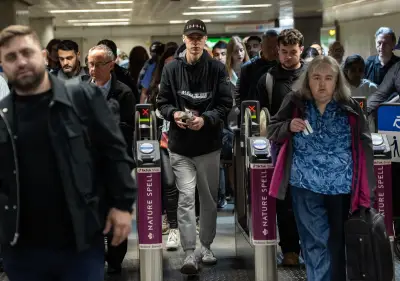
Qualified London Underground drivers typically earn around £73,000 a year in 2026, with salaries potentially approaching £80,000 by 2027 under an inflation-linked pay agreement, as fresh RMT strikes over a four-day working week disrupt the network.
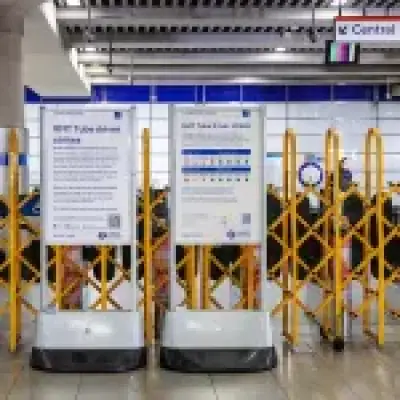
The RMT union has confirmed a new wave of industrial action in a long-running dispute with Transport for London (TfL), starting with a 24-hour walkout on Thursday. At the centre of the dispute is TfL's proposal to introduce a voluntary four-day working week for Tube drivers, initially on the Bakerloo line.
What is the four-day week dispute about?
Under the plans, drivers who choose to switch from five working days to four would keep their existing salaries, while those who prefer the five-day week would be able to stay at the same depot, according to TfL. But the RMT has criticised the proposals as a "fake" four-day week, arguing that drivers could face longer shifts, last-minute changes to their working patterns and increased fatigue. The union has also raised concerns about weakened workplace protections and potential job cuts.
The dispute comes as Tube drivers continue to benefit from inflation-linked pay rises, with salaries having increased by almost a third since before the pandemic.
How much do Tube drivers earn?
The pay deal, accepted by the RMT following previous industrial action, included an initial 3.4 per cent increase backdated to April 2026. It also links pay rises to RPI inflation, which is generally higher than CPI, and guarantees a minimum overall increase of around 9.8 per cent.
Tube driver salaries have risen by 32.7 per cent since 2018, according to Freedom of Information (FOI) data. In 2018/19, 3,596 Tube drivers earned an annual salary of £55,011. By 2026, this had increased to £73,000 - a rise of £17,989, according to TfL. Salaries have increased by an average of around 4% a year, with the largest rise recorded between 2021/22 and 2023/24, when pay climbed from £58,949 to £63,901.
What walkouts are planned?
Walkouts will take place from Thursday, November 24 to early February, disrupting commuters, shoppers and passengers making Christmas plans. Among the dates affected is Saturday, December 19, one of the busiest shopping days in the run-up to Christmas, when thousands of Londoners and visitors are expected to descend on the West End.
Aslef, the train drivers' union in support of the four-day week, previously expressed its surprise at RMT's decision to take strike action. The union highlighted the financial benefits of the proposed arrangement to its members.
"The reality is few people will want to keep working an extra day and more hours every week for no extra money and less time off!" the union explained as it outlined the deal on offer. "Instead of only getting 80% of salary, they will have the option of receiving full pay," it added.
The final planned walkout is due to take place in February, raising the prospect of months of disruption as TfL and the unions remain at odds over the proposed changes. This week's strike comes after members of the Transport Salaried Staffs' Association (TSSA) launched a snap Tube strike at lunchtime on Friday, closing the Piccadilly line until around 6pm on Saturday. The strike was called in a shock move in the stand-off over the union member, who worked in a Tube control centre in South Kensington, and who was dismissed in the row over doing a second job while on sick pay.