

European Travel Chaos Sparks Surge in Rail Bookings as Flights Cancelled
Hundreds of flights across Europe have been cancelled this summer season, prompting a significant shift among holidaymakers from air to rail travel. This disruption stems from the ongoing conflict in the Middle East, which has triggered soaring fuel costs and operational challenges for major airlines.
Flight Cancellations and Fuel Crisis
Two of Europe's largest carriers, Lufthansa and KLM, have announced extensive cancellations. Lufthansa's regional subsidiary, Lufthansa CityLine, suspended operations due to high kerosene prices and labour disputes, while KLM cancelled 160 flights over the next month citing rising fuel expenses. The International Energy Agency (IEA) has issued a stark warning, indicating that Europe may have only about six weeks of jet fuel remaining amid continued instability linked to the Middle East conflict.
Rail Travel as a Reliable Alternative
With growing uncertainty in air travel, many travellers are turning to Europe's extensive rail network for more reliable and often more affordable options. Numerous European hotspots are easily accessible from the UK by train, featuring direct routes averaging under three hours and costing as little as £85.

Affordable Rail Routes from the UK
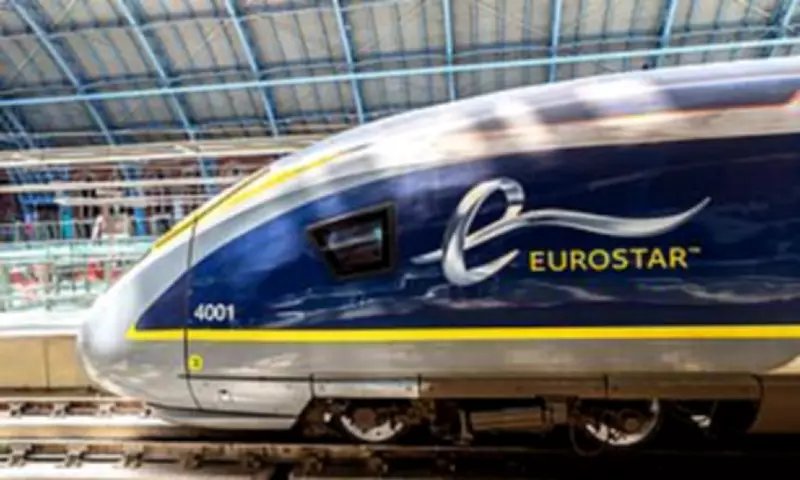
France: Eurostar services from London to Paris offer return tickets from £180, including luggage and Wi-Fi, with journeys under two-and-a-half hours. In comparison, budget airline flights range from £150 to £300, but with limited luggage allowances and additional fees for larger bags.
Netherlands: Eurostar trains from London to Amsterdam take four hours with return fares from £200, including luggage. Flights are cheaper at around £130 but exclude large cabin bags, costing an extra £41.
Belgium: Rail journeys to Brussels cost about £180 return, taking just over two hours, while flights are slightly cheaper but offer varying luggage policies.
Switzerland: Rail travel to Basel or Zurich can cost nearly £500 return and take six to eight hours, whereas flights start at £179 but require additional fees for luggage.
Italy: Reaching Milan by rail involves a multi-leg journey costing around £350 return, while flights can be as low as £50 but with restrictive baggage allowances.
Germany: Rail travel to Berlin may exceed eight hours and cost over £180, but domestic routes like Berlin to Munich are cheaper by train at £79 return compared to flights averaging £137.
Spain: Train journeys to Barcelona take about 11 hours and cost up to £577 return, whereas flights start at £52 but involve extra fees for luggage on some airlines.
Domestic Rail Options Within Europe
Once in Europe, travellers can explore efficiently via domestic rail networks. For instance, in France, trips from Paris to Bordeaux cost around £72 return, while in Italy, the Rome to Milan route averages £81 return. Spain's high-speed rail offers affordable options like Madrid to Barcelona for £72 return.
The shift to rail is driven not only by cost but also by reliability amid the jet fuel crisis and new digital border systems like the EES, which can cause delays at airports. As summer progresses, rail travel is emerging as a strategic choice for those seeking to avoid travel chaos and enjoy scenic, stress-free journeys across the continent.






