Major Texas Border Airport Faces Unprecedented 10-Day Closure
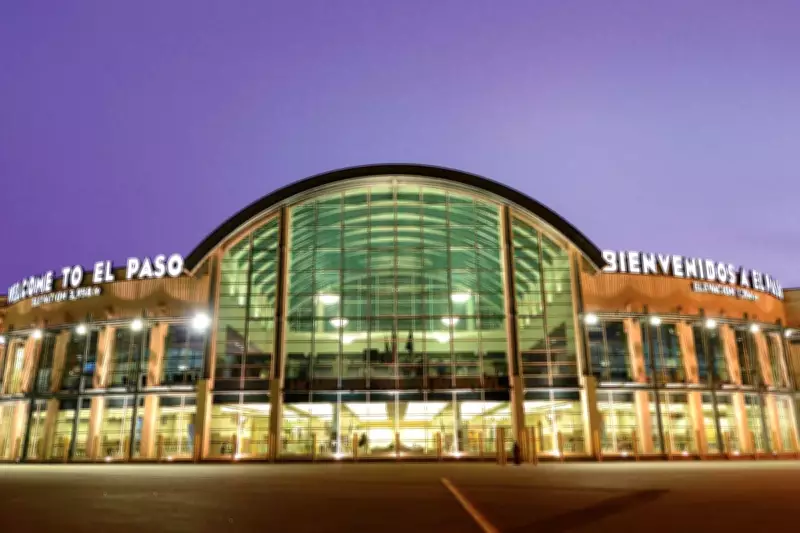
The United States Federal Aviation Administration (FAA) has mandated the immediate and total closure of El Paso International Airport, a critical aviation hub on the Texas-Mexico border. The shutdown, which commenced on February 10, 2026, at 11:30 PM Mountain Standard Time, is scheduled to last until February 20 at 11:30 PM, effectively grounding all air traffic for a full ten days.
FAA Cites Undisclosed Security Reasons for Drastic Action
In an official Notice to Air Missions (Notam), the FAA imposed a temporary flight restriction within a 10-nautical-mile radius of the airport, explicitly citing "Special Security Reasons" as the justification. The authority provided no further elaboration on the nature of these security concerns. The restriction applies comprehensively to all flights operating below 18,000 feet, encompassing commercial passenger services, cargo operations, and general aviation.
El Paso Airport authorities confirmed the drastic measure via a Travel Advisory posted on Instagram, stating: "All flights to and from El Paso are grounded, including commercial, cargo and general aviation. Travelers should contact their airlines to get the most up-to-date flight status information."

Immediate Operational Impact and Travel Disruption
The closure took effect abruptly, just one hour after the final scheduled flight—an American Airlines service from Dallas-Fort Worth—landed on Tuesday night. A subsequent inbound executive jet from Everett, Washington, was forced to divert to Las Cruces, approximately 50 miles northwest of El Paso.
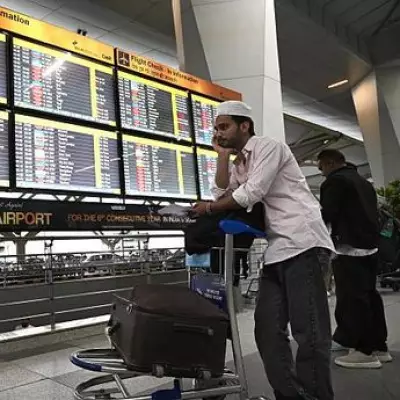
The shutdown immobilizes a significant portion of the airport's fleet. Key carriers operating at El Paso, including American Airlines, Southwest Airlines, Delta Air Lines, United Airlines, Alaska Airlines, and Frontier Airlines, are directly affected. Preliminary estimates suggest at least 17 commercial jets will be grounded for the duration, likely triggering a cascade of cancellations and disruptions across broader airline networks.
Passenger Rights and Logistical Challenges
The situation highlights the stark contrast in air passenger protections between the United States and regions like the United Kingdom and Europe. Under weaker U.S. regulations, most affected travelers will be responsible for making their own alternative arrangements, often at considerable personal expense.
Logistically, passengers face severe hurdles. The nearest comparable major airport is in Phoenix, Arizona—a drive of over six hours from El Paso. British and other European passengers booked on flights to El Paso may be entitled to alternative arrangements from their airlines, but such protections are generally not extended to those departing from U.S. airports.
El Paso, a city famously featured in the television series Breaking Bad, sits directly on the international border, with the Mexican frontier located just two miles from the airport. This unprecedented closure underscores the complex interplay between aviation security, border logistics, and passenger welfare in critical transit zones.