

Sydney Cyclists Surge as Fuel Prices Soar, Echoing Copenhagen's 1970s Shift
In a striking parallel to Copenhagen's transformation during the 1970s global oil crisis, Sydney is witnessing a dramatic rise in cycling as residents grapple with soaring fuel costs. With petrol prices nearing 260 cents per litre, a nearly 50% increase from last year, many are abandoning their cars for bicycles, leading to a boom in bike shop sales and busier cycle lanes across the city.
Historical Inspiration and Current Trends
Before the 1970s oil shock, Copenhagen considered removing bike lanes, viewing bicycles as outdated. However, as economic turmoil hit, Denmark, heavily reliant on imported oil, reversed course after mass protests demanded better cycling infrastructure. From 1975 to 1985, Copenhagen's bicycle network expanded rapidly, and today, around 60% of residents cycle to work or study. Now, with another oil crisis triggered by conflict in the Middle East, Sydneysiders are drawing inspiration from this Danish model to ease financial strain at the pump.
Data from the City of Sydney reveals a 25% increase in bike-sharing trips in March, totalling 600,000 journeys, while car traffic on major arterial roads like Pennant Hills Road and Parramatta Road fell by approximately 5% compared to the previous year. New cycleways are seeing unprecedented use; for instance, the Oxford Street cycleway recorded almost 100,000 trips in March, and the Bourke Street cycleway in Redfern had 134,254 uses, nearly triple last year's figure.

Personal Stories of Change
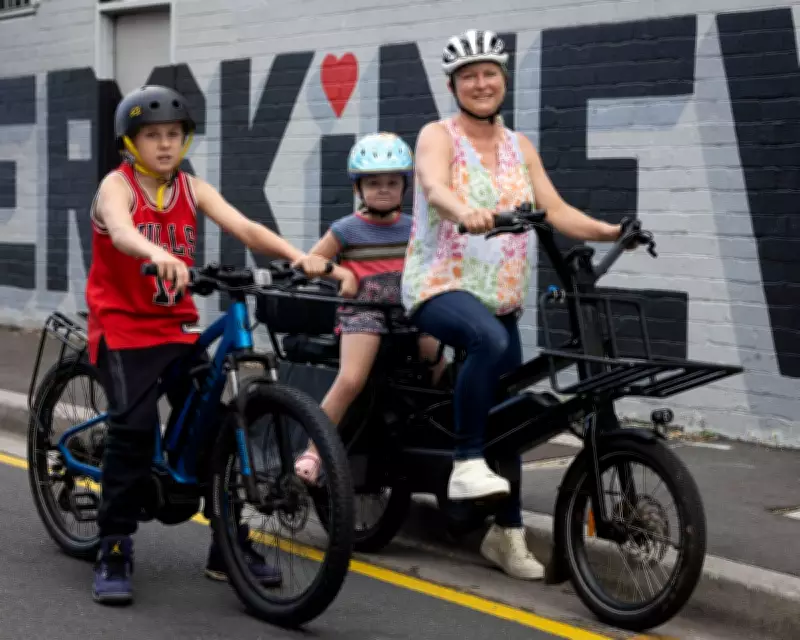
Inner-west resident Jacinta Peperkamp, a single mother of two, exemplifies this shift. "We haven't used our car since fuel prices went crazy," she says, relying instead on her cargo ebike and her son's electric bike for daily commutes. Initially motivated by environmental concerns, Peperkamp now cites cost-of-living pressures as a key driver, expressing regret for not purchasing an electric car sooner. She notes that previously daunting bike rides, such as trips to western Sydney, have become routine, with others following suit.
Similarly, Violette Kirton, another inner-west resident, plans to sell her car and depend entirely on her bicycle due to rising expenses. After buying her first home amid climbing interest rates, Kirton found petrol price hikes made car ownership less feasible. "Living and working in the inner west, I've started riding my bike more and realised I don't need a car day to day," she explains.
Economic Impact and Retail Response
Bike retailers report a surge in business reminiscent of the early pandemic days. At 99 Bikes, ebike sales jumped by 136% year-on-year in a recent week, indicating a clear consumer shift towards cycling as a long-term cost-saving measure. David Miller-Heidke, general manager for Australia and New Zealand, notes that many are "pulling the trigger" on ebike purchases after considering them for some time.
Chris Moore, owner of Omafiets bike shop in Sydney, observes increased demand for entry-level ebikes and cargo bikes, alongside a rise in servicing requests for old pedal bikes. Customers explicitly attribute their purchases to high petrol prices, with family ebikes and commuting bikes replacing car trips in dense inner-city areas. According to Australian Automobile Association data, average weekly car-running costs were $453 in late 2025, including $214 for loan repayments and $94 for fuel, underscoring the financial burden.
Infrastructure and Policy Challenges
Peter McLean, CEO of Bicycle NSW, criticises governments for relying on short-term measures like fuel excise cuts instead of investing in active transport infrastructure. He argues that cycling offers cheaper alternatives to car ownership, even with expensive ebikes, and promotes public health and social benefits. McLean highlights the success of the Oxford Street cycleway as evidence for expanding "greenways" in cities, urging policymakers to leverage cycling booms during crises for long-term positive impacts.

Automatic bike counters across Sydney show significant increases, with cycling rates nearly doubling in the CBD last month compared to the previous year. Areas like Paddington and Eveleigh saw substantial growth, while others such as Parramatta and the northern beaches remained stable. On a single Wednesday, over 4,500 bike trips were recorded on Oxford Street in Darlinghurst, the highest since the cycleway opened last July.
Looking Ahead
As fuel prices continue to strain household budgets, Sydney's cycling surge reflects a broader trend towards sustainable and affordable transport. This movement, inspired by Copenhagen's historical pivot, not only addresses cost-of-living concerns but also fosters environmental stewardship. With ongoing demand for safe cycling infrastructure, the city faces an opportunity to embrace a green revolution, transforming urban mobility for the future.





