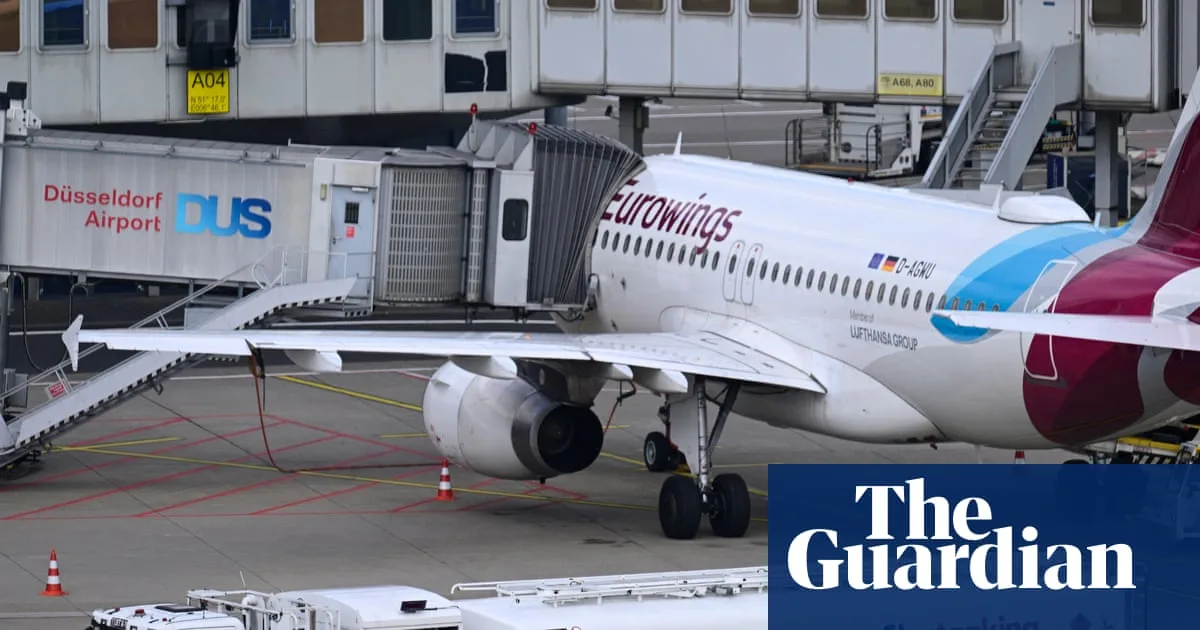
Airlines are set to spend an additional $100bn on jet fuel this year, with fares 'inevitably' rising to cover the cost after the war with Iran disrupted oil supplies. The International Air Transport Association (Iata) warned that collective industry profits would halve to $23bn in 2026, with some carriers struggling to survive the fuel price shock caused by the closure of the Strait of Hormuz in March.
Willie Walsh, Iata's director general, said high oil prices would inevitably lead to higher ticket prices, with industry polling showing passengers were braced for higher fares. However, he noted the big unknown was how long travellers and shippers could tolerate the higher costs. Speaking at Iata's summit in Rio de Janeiro, Walsh described the situation as a 'challenging and unpredictable time' with 'wafer-thin margins', adding that for many airlines the increase in the fuel bill was 'potentially existential'.
Despite the soaring costs, Walsh said concerns about fuel shortages had eased, and compared with the Covid pandemic, it was not a crisis. He noted that traffic was up 2% and the industry remained profitable, with growth still forecast. Long-haul and business passengers may face the bulk of fare increases, according to British Airways chief executive Sean Doyle, who said there would be 'no getting away from it – if fuel goes up, fares have to go up'. However, he suggested that more price-sensitive short-haul holiday flights would be the last to rise.
Iata research indicated that around half of passengers were prepared to spend substantially more on fares if they tracked oil prices, which Walsh said boded well for the northern summer season. More British and European travellers are expected to fly within the continent, with fewer venturing farther afield due to uncertainty around Gulf hubs. However, Iata warned that the EU's entry-exit system (EES) could create difficulties for travellers, calling on Europe to rewrite legislation to allow flexibility in border controls beyond the current deadline of 7 September for biometric checks.