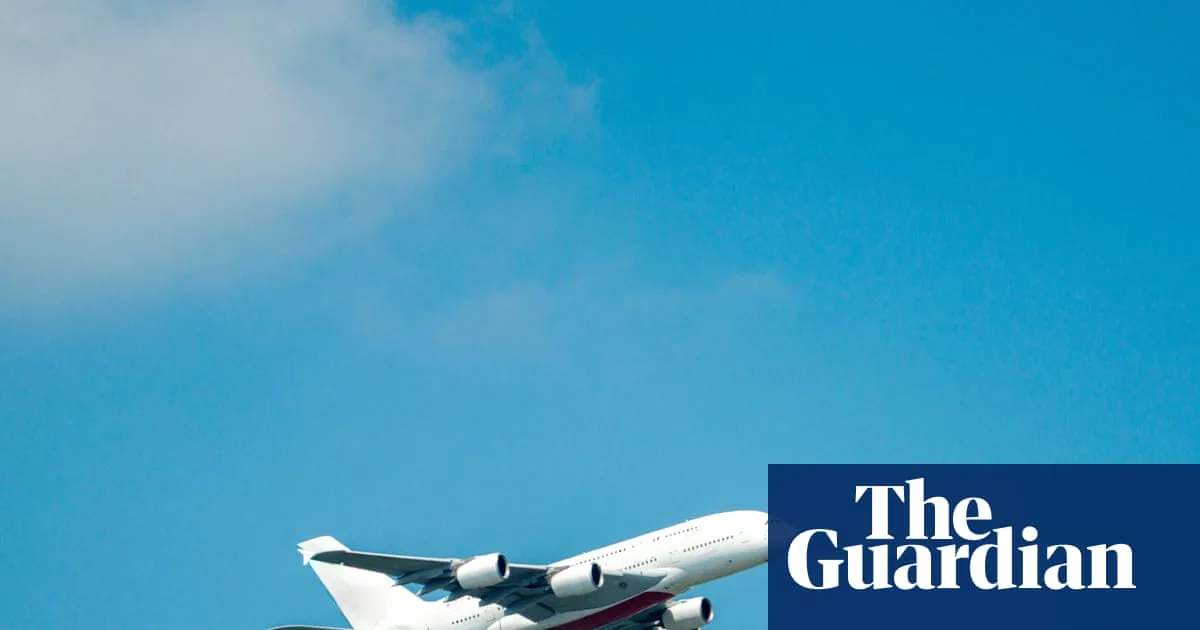
Airline Boss Warns of Summer Holiday Chaos as Jet Fuel Crisis Lingers
Summer Holiday Chaos Looms as Jet Fuel Crisis Persists

Airline Industry Faces Prolonged Jet Fuel Crisis Despite Strait Reopening

A leading global aviation executive has issued a stark warning about potential summer holiday disruption, stating that jet fuel supplies could require several months to recover even after the reopening of the strategic Strait of Hormuz. The critical waterway, measuring just 21 miles wide, had been blocked by Iran following military strikes by the United States and Israel on February 28, creating severe bottlenecks in global energy distribution.

Global Energy Supply Chokehold

Tehran's decision to restrict access to one of the world's busiest shipping lanes effectively strangled international energy supplies, causing prices to skyrocket and bringing numerous industries to a standstill. Approximately 20 percent of global oil and liquefied natural gas typically traverses this narrow channel, making its closure particularly devastating for energy-dependent sectors.

While US President Donald Trump announced on Tuesday night that Iran had agreed to a two-week ceasefire in exchange for unblocking the strait - news that initially sent airline stocks soaring and oil prices below $100 per barrel - aviation experts caution that relief may be temporary and insufficient.

Wide Pickt banner — collaborative shopping lists app for Telegram, phone mockup with grocery list

Lasting Disruption to Aviation Sector

Willie Walsh, director general of the International Air Transport Association, emphasized that jet fuel costs are likely to remain elevated for an extended period, affecting airports and airlines worldwide. "The sector could still take months to recover," Walsh stated, highlighting how this prolonged disruption could jeopardize holidaymakers' summer travel arrangements.

The aviation official explained that the persistent challenges stem from widespread damage to oil refineries throughout the Middle East, where conflict has engulfed the entire region following initial US-Israeli attacks on Iran and subsequent retaliatory strikes across the Gulf.

Regional Conflict Amplifies Crisis

Significant infrastructure damage has been reported across major oil-producing nations including:

  • Iraq
  • Kuwait
  • Qatar
  • Saudi Arabia
  • United Arab Emirates

This regional devastation has created a perfect storm for airlines, for whom fuel represents their second-largest operational expense after labor costs, typically accounting for approximately 27 percent of carriers' total expenditures according to IATA data.

Bankruptcy Warnings and Industry Contraction

The crisis has prompted dire predictions from industry observers, with Dubai-based billionaire Gediminas Ziemelis, founder of Avia Solutions Group, warning that carriers could begin facing bankruptcy within weeks. Ziemelis described the current situation as reminiscent of the COVID-19 pandemic, citing multiple pressure points:

  1. Grounded aircraft fleets
  2. Collapsing passenger demand
  3. Plummeting booking numbers
  4. Surging fuel expenses
  5. Uncertain recovery timeline

"We need to be ready for any area, district, jurisdiction and geopolitical risk," Ziemelis cautioned in an interview with Bloomberg. "We may see potential first bankruptcies."

Operational Challenges and Passenger Impact

Airlines have implemented various strategies to cope with the crisis, though each carries significant drawbacks:

  • Introduction of additional fuel surcharges on tickets
  • Complete elimination of certain routes
  • Extended flight paths avoiding conflict zones, increasing journey times and operational costs

Middle Eastern carriers have been particularly affected, with thousands of flights cancelled as missile and drone attacks continue to disrupt regional operations. Major airlines including Qatar Airways, Gulf Air, flydubai and Air Arabia are conducting internal cost-cutting reviews as they lose millions in daily revenue.

Tourism Industry Devastation

The conflict has devastated Middle Eastern tourism, with regional data revealing alarming trends:

Pickt after-article banner — collaborative shopping lists app with family illustration
  • Bookings down 63 percent
  • Average nightly hotel room rates decreased by 28 percent
  • Cancellation rates increased by 163 percent

Social media images show Emirates flights to Dubai with rows of empty seats, while once-bustling destinations have transformed into virtual ghost towns. Tehran's missile and drone attacks have targeted iconic structures including the Fairmont hotel on Palm Jumeirah, normally popular with British tourists.

Regional Tourism Collapse

Neighboring destinations have experienced similar declines, with Cyprus seeing hotel bookings drop by 40 percent as holidaymakers fear further attacks. The island nation experienced a particularly sharp increase in cancellations after a drone struck a British naval base on March 2, with short-term rental cancellation rates soaring from approximately 15 percent before the conflict to nearly 100 percent immediately following the attack.

While cancellation rates have since moderated to around 45 percent by March 21 according to AirDNA data, the tourism industry across the Eastern Mediterranean faces an uncertain future as the conflict continues to deter travelers and disrupt global energy markets essential for aviation operations.




