
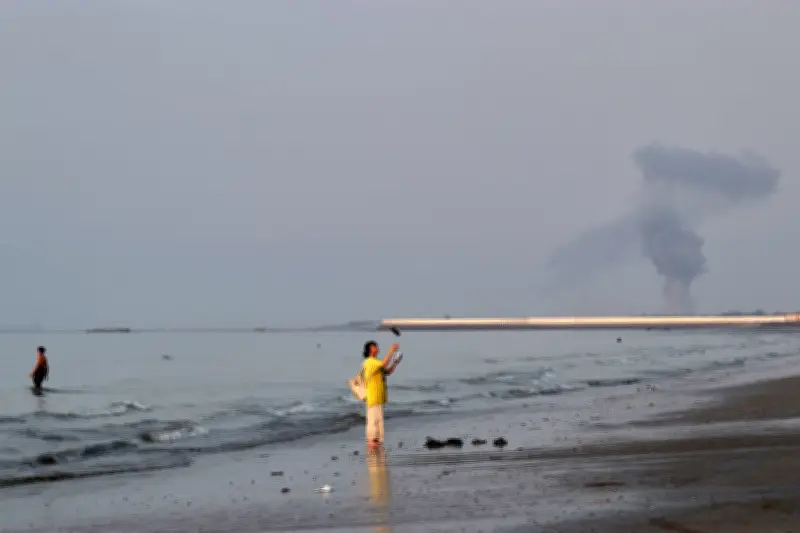
Shipping through the Strait of Hormuz has fallen to “crisis-era lows”, according to UK-based maritime data firm Lloyd’s List Intelligence, after renewed clashes shattered a brief pause in Middle East fighting. The firm said a near-term recovery in traffic through the strategic waterway is unlikely.
Decline in vessel transits
Initial figures show just 39 vessel transits from July 20-26, down from 82 the previous week. This is a fraction of pre-war traffic, when on average nearly 140 ships a day crossed the strait. The disruption has driven up fuel and food prices as the waterway is a vital oil and gas supply route.
Lloyd’s stated: “The deteriorating security environment in the Strait of Hormuz has driven vessel traffic back to crisis-era lows.” It added: “A near-term recovery in traffic is unlikely. Neither Tehran nor Washington has shifted position materially, leaving owners reluctant to resume normal trading patterns.”
Renewed hostilities and attacks
Renewed hostilities have threatened to expand the conflict. A US-owned gas storage tanker in the port of Damietta, Egypt, was struck by a drone, according to British maritime security firm Ambrey. This followed Iran launching missiles at US forces in the Middle East as the US military joined Saudi Arabia in attacking Tehran-backed militias in Iraq. The Pentagon described the latest violence as an “attempted surprise attack” by Tehran on US personnel, which was successfully intercepted.
US President Donald Trump was quoted by Fox News as saying: “We’ll be hitting them hard. We’re going to beat the f****** shit out of them.”
Failed ceasefire and US crackdown
Before the new flare-up, mediators had expressed hope about bringing the US and Iran back to negotiations. An interim ceasefire deal collapsed after renewed fighting in the Strait of Hormuz. Iran has maintained its stranglehold on the channel, demanding ships seek permission, attacking vessels, and threatening charges. In response, the US has cracked down on bodies backed by Iran’s Islamic Revolutionary Guard Corps (IRGC) for running coercive insurance schemes that extort international shipping.
State Department spokesman Tommy Piggott said: “These entities manufacture risk – including the threat of vessel seizures – and then charge commercial vessels for coverage against dangers created by the regime itself, generating revenue that sustains IRGC operations and Iran’s broader campaign of regional destabilisation.”




