
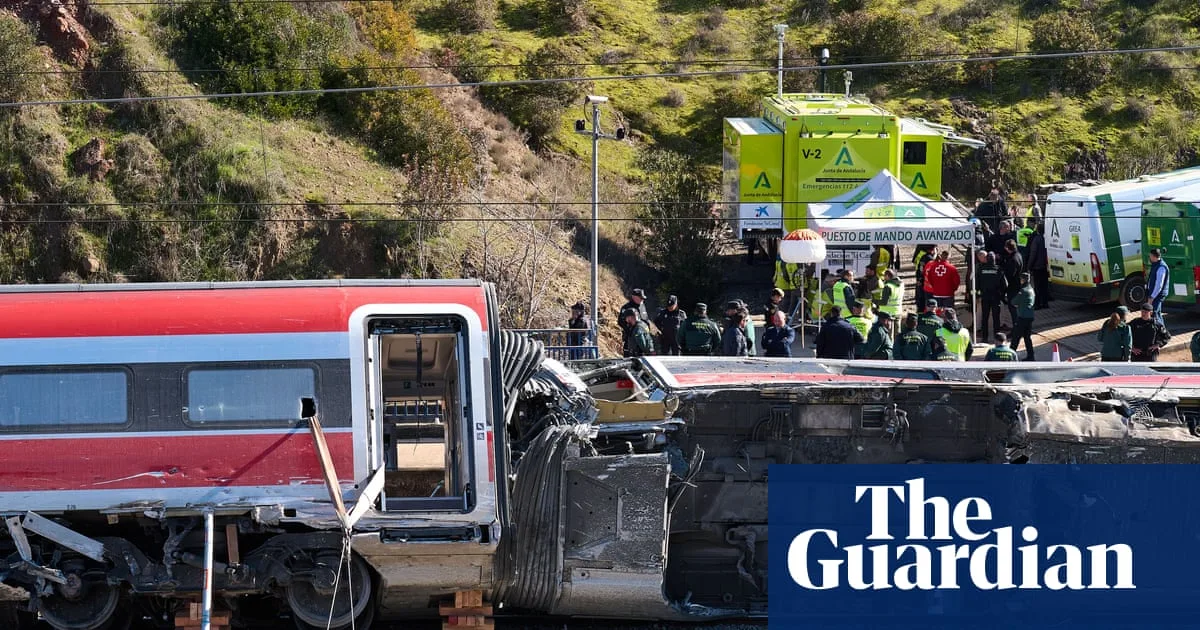
A six-year-old girl has emerged as the sole survivor of her family after Sunday's train crash in southern Spain, which claimed 42 lives. The child, who has not been named, was found walking along the tracks near Adamuz in Córdoba province with only a minor head wound. Her parents, brother and cousin all died in the collision.
The family had travelled from Aljaraque, near Huelva, to Madrid for a treat celebrating the Epiphany, including a performance of the Lion King musical and a visit to the Bernabéu stadium. The crash occurred when a high-speed train from Málaga to Madrid derailed and crossed onto another track, hitting a train travelling from Madrid to Huelva.
Local mayors expressed shock and grief. José Carlos Hernández Cansino of Punta Umbría called the girl's survival 'a miracle', while Adrián Cano of Aljaraque said the town was 'broken with grief'. The girl was cared for overnight by a police officer before being reunited with her grandmother in Córdoba.
Other families shared harrowing stories. Alberto García told Antena 3 that his five-months-pregnant daughter was in intensive care, sedated and on a ventilator, with doctors monitoring the baby's heartbeat. Relatives said she was pulled unconscious from the wreckage after passengers smashed windows to escape. Her sister Ana suffered lighter injuries; their dog Boro remains missing.
Spain began three days of national mourning on Monday. Rescuers continued recovering bodies from the country's worst rail crash in over a decade.




