

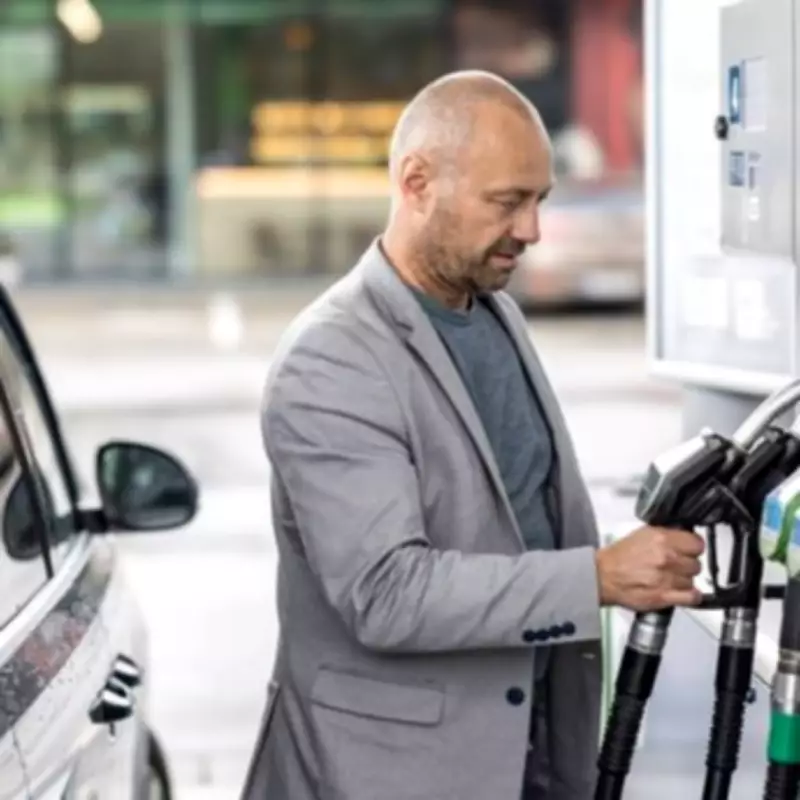
Motorists across the United Kingdom are facing a sharp and sustained increase in petrol costs, driven by escalating geopolitical tensions in the Middle East. As of early March 2026, average UK fuel prices have witnessed a significant surge since late February, placing considerable strain on household budgets and prompting widespread concern over supply stability.
Practical Strategies for Enhanced Fuel Economy
In response to this growing financial pressure, Keith Hawes, Director of Nationwide Vehicle Contracts, has outlined six actionable fuel-efficiency strategies designed to maximise vehicle performance, reduce mechanical wear, and extend every litre of fuel. His expert advice focuses on simple adjustments to driving behaviour, vehicle maintenance, and journey planning that can yield substantial long-term savings.
1. Cultivate Smooth and Calm Driving Habits
Aggressive acceleration and harsh braking are primary culprits in excessive fuel consumption. Rapid acceleration demands more petrol, while sudden braking wastes the energy already expended. Drivers are advised to build speed progressively, maintain a consistent pace where possible, and anticipate road conditions to allow for natural deceleration rather than abrupt stops.

2. Strategically Avoid Peak Traffic Periods
Congested roads during rush hour lead to constant stopping, starting, and idling, all of which consume significantly more fuel than smooth, uninterrupted driving. Where feasible, planning journeys outside peak times—such as before 11am or after 7pm—can dramatically reduce fuel usage, especially on longer trips. Electric vehicle owners should also factor charging breaks into their route planning for optimal efficiency.
3. Keep Windows Closed at Higher Speeds
While it may seem economical to open windows instead of using air conditioning, at motorway or dual-carriageway speeds, open windows create aerodynamic drag. This forces the engine to work harder, increasing fuel consumption. Keeping windows up is the more efficient choice for high-speed travel, also contributing to a quieter and more comfortable cabin environment.
4. Regularly Monitor and Maintain Tyre Pressure
This is the critical car check drivers are urged to perform amid the cost crisis. Under-inflated tyres generate increased rolling resistance, requiring the engine to exert more effort and consume more fuel. Even a slight drop below the manufacturer's recommended PSI can have a tangible impact on economy. Experts recommend checking tyre pressure at least monthly and inflating to the specified levels, typically found on the door pillar or in the vehicle handbook.
5. Remove Unnecessary Weight from Your Vehicle
A lighter vehicle achieves better fuel economy. Removing any non-essential items, particularly heavy or bulky equipment not required for your journey, reduces strain on the engine and improves efficiency. Maintaining a clutter-free boot not only enhances performance but also delivers consistent savings over time.
6. Utilise Start-Stop Technology Effectively
For vehicles equipped with start-stop technology, allowing the system to function during prolonged stops—such as at traffic lights—can prevent unnecessary fuel wastage and reduce emissions. For cars without this feature, shifting into neutral or safely switching off the engine during extended waits can help minimise fuel consumption.
Expert Commentary on the Current Climate
Keith Hawes emphasises the urgency of adopting these measures: "As pressure on UK fuel supplies intensifies and prices continue to fluctuate, efficient driving has never been more critical. Small, mindful adjustments to your driving habits, regular vehicle maintenance, and thoughtful journey planning can significantly enhance fuel economy, helping both your fuel and your budget stretch considerably further."
With no immediate resolution to the underlying geopolitical tensions, these practical tips offer motorists a proactive approach to mitigating the impact of rising fuel costs, ensuring more economical and sustainable motoring in challenging times.






