

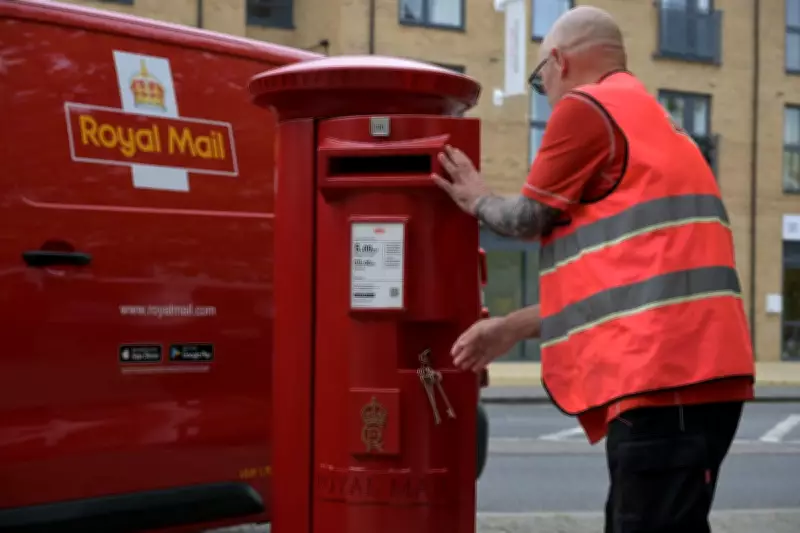
Royal Mail Delivery Crisis 'Badly Affecting National Life' Warns Labour MP
The Labour chair of a powerful House of Commons committee has issued a stark warning that a crisis in letter deliveries is "badly affecting our national life as a country". Liam Byrne, speaking on Tuesday 24 March 2026, revealed that MPs have received evidence showing people are "just not getting their post", leading to missed medical appointments and undelivered court documents.
Frontline Workers and Delivery Priorities
During committee hearings, MPs were informed that frontline postal workers are sometimes instructed not to prioritise doctors' letters. Instead, these critical items are delivered "in a pyramid order" behind special delivery items, tracked parcels, and first-class letters. This prioritisation system has contributed to widespread delays affecting millions of households and businesses across the nation.
Performance Figures and Targets
Official statistics from Royal Mail covering the period between 29 September and 30 November show concerning delivery rates:

- 91.6% of second-class mail delivered within three working days
- 77.5% of first-class post arriving the next working day
The committee has calculated these figures translate into millions of letters arriving late. While Royal Mail notes these numbers represent an improvement from the previous quarter, they still fall significantly short of Ofcom's regulatory targets:
- 93% of first-class post should be delivered the next day
- 98.5% of second-class mail should arrive within three days
Workforce Challenges and Union Concerns
Martin Walsh, deputy general secretary of the Communication Workers Union, told the investigating committee there is a "recruitment crisis" among postal workers. He described staff walking for six hours daily in all weather conditions, often for little more than minimum wage, with 50% of new entrants leaving after their first year.
Royal Mail disputes this characterization, stating they attract approximately 15 applicants for every role and maintain a dedicated workforce where staff typically stay for an average of 16 years. The company recently returned to an underlying profit for the first time in three years, even as delivery performance remains below required standards.
Political Response and Future Questions
Liam Byrne delivered a scathing assessment of the situation: "Royal Mail is a national institution in meltdown. When barely three quarters of First Class letters arrive on time, that's a failure costing families and small businesses up and down the nation."
He posed a direct challenge to Royal Mail's new owners: "Will they fix the service and meet their obligations in full - or allow standards to slide while the rules are rewritten around failure? The public were promised a service they could rely on. It's time to restore it."
Royal Mail chief executive Alistair Cochrane acknowledged last month that "our performance in letters is still not good enough" despite recent improvements. The ongoing delivery crisis continues to raise fundamental questions about the reliability of postal services that millions of Britons depend on for essential communications, legal documents, and healthcare appointments.






