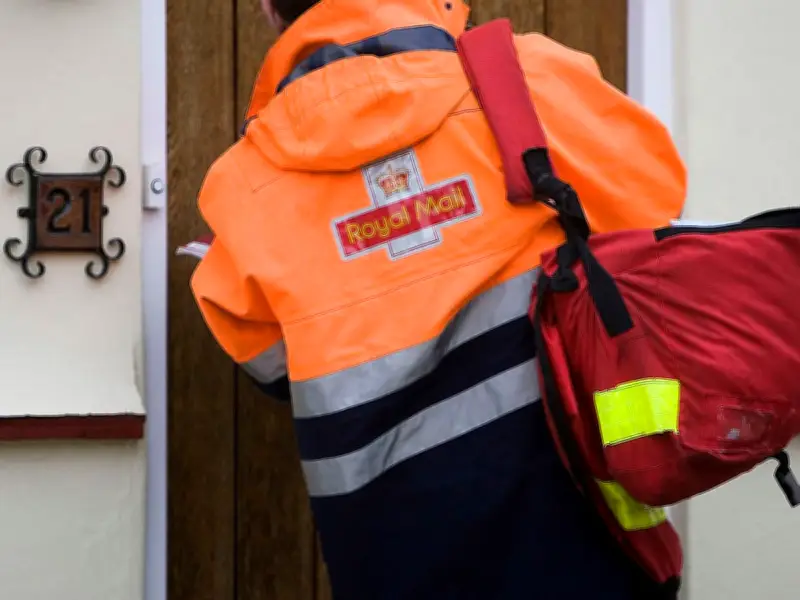
Royal Mail has the authority to temporarily suspend postal deliveries to individual properties or entire streets under specific circumstances outlined by Ofcom's Universal Service Obligation exceptions. These suspensions, while rare, are implemented locally to protect frontline workers under Royal Mail Delivery Exceptions guidelines.
Four Categories for Suspension
Ofcom deems four categories as exceptional for delivery suspension: Health and Safety, Insecurity, Difficulty of Access, and Customer Request. Dangerous dogs are the most common reason for household suspensions across the UK.
Health and Safety Risks
Royal Mail enforces a strict zero-tolerance policy regarding workforce safety. Deliveries are immediately suspended if a postie faces verbal or physical abuse, including threatening or racist conduct. If a postal worker becomes involved in local crime, Royal Mail collaborates with police and may suspend deliveries to the entire street until deemed safe.
Physical risks from front door arrangements also trigger suspensions. These include unstable steps, unsecured scaffolding, exposed building works, severely overgrown brambles, unlit walkways, or unaddressed biohazards, according to the Express.
Insecurity and Access Issues
Under Ofcom regulations, Royal Mail can refuse delivery if reaching a property takes excessive time or risks vehicle damage. Properties without secure delivery points—such as a door lacking a letterbox or a faulty communal entrance in flats—may face suspension until a secure alternative is arranged.
What Happens to Mail During Suspension
Residents receive an official letter from a Royal Mail manager. Letters and parcels are held at the local Delivery Office for up to 18 days. Residents can collect mail in person with photo ID and proof of address. Uncollected mail is marked "Return to Sender" and dispatched back.
Residents have the right to challenge the suspension or arrange alternative delivery. More information is available online via the Royal Mail Services Near You directory.