
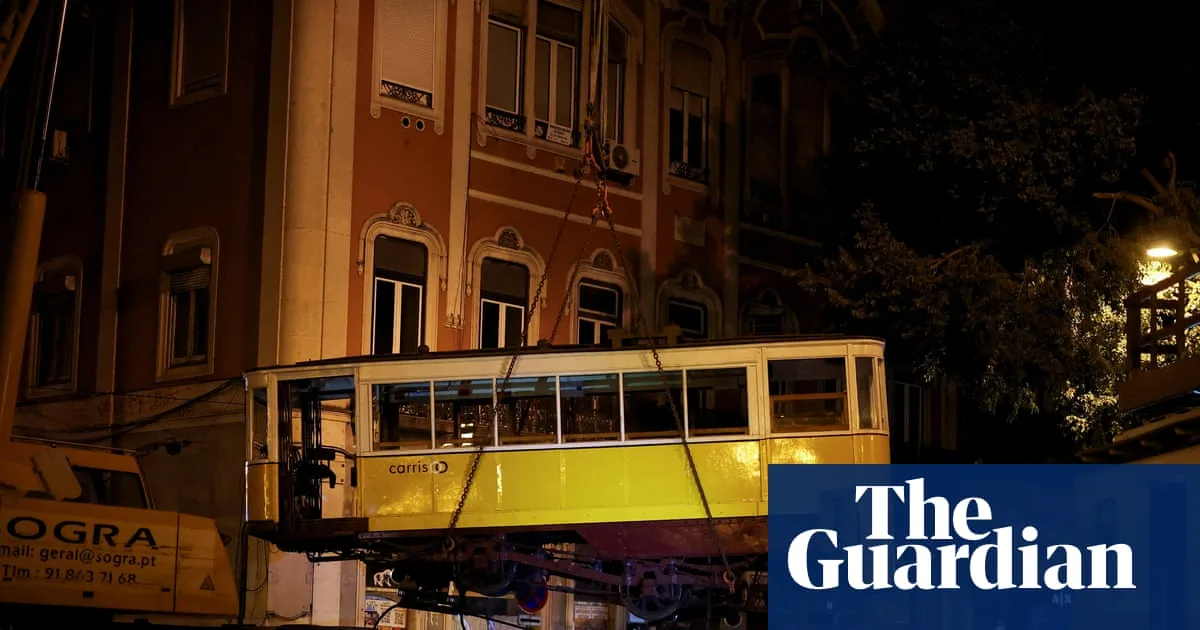
An official inquiry has concluded that a substandard cable caused the deadly crash of Lisbon's Elevador da Glória funicular in September, which killed 16 people and injured around 20. The preliminary report, released by Portugal's air and rail accident investigations bureau (GPIAAF), stated that the cable linking two cabins snapped after failing to meet the specifications required by the city's transport operator, CCFL.
The accident occurred on 3 September when the historic 19th-century funicular careered off its rails and crashed into a building. The GPIAAF's report, published on Monday, noted that the cable was not up to the standards in force at the CCFL for use on the Glória tram. The city's other funiculars have been out of service since the crash, and the bureau recommended they remain grounded until braking systems capable of immobilising the cabins in the event of a cable break are confirmed.
Among the 16 victims were three UK citizens, two South Koreans, two Canadians, one Frenchwoman, one Swiss, one American, and one Ukrainian. The injured included three Britons. Portuguese victims included four staff members from a social care institution located at the top of the hill serviced by the funicular.
The Glória funicular, which first opened in 1885, uses a counterweight system to propel its two wagons along a 265-metre track up a steep hill. According to the GPIAAF's initial note days after the crash, a routine inspection on the morning of the accident found nothing unusual about the cable that snapped. The driver activated the brakes, but they were unable to stop the carriage without the counterweight system's assistance.
The GPIAAF's final report, which will include safety recommendations, is expected within the next year. An intermediary report may update the public on the inquiry's progress in the meantime.




