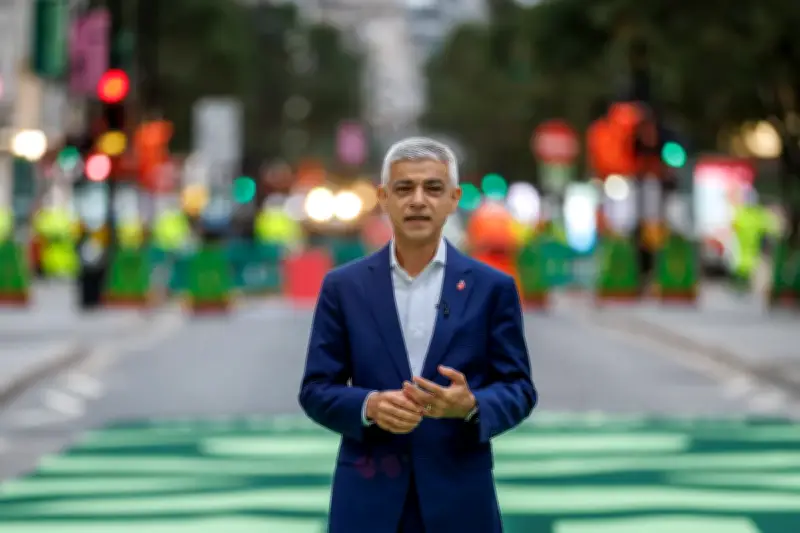
Footfall on Oxford Street rose by 16 per cent in the first week after part of the famous shopping destination was pedestrianised, according to new figures released by City Hall.
The data, published by the Mayor of London and the Oxford Street Development Corporation (OSDC), suggests visitor numbers, spending and evening activity all increased following the introduction of the traffic-free zone between Orchard Street and Great Portland Street.
The section of Oxford Street was closed to private motor vehicles, buses, taxis, private hire vehicles, cycles, scooters and pedicabs on October 26 as part of a phased regeneration programme.
Visitor numbers and spending rise
City Hall said visitor numbers in the newly pedestrianised stretch were up 16 per cent compared with the equivalent half-term week in October 2025. The figures also indicate a sharp rise in overseas visitors, with international visitor numbers increasing by 42 per cent year-on-year. Domestic visitor numbers were up by 14 per cent.
Mayor Sir Sadiq Khan welcomed the early results, describing them as evidence of the scheme's potential impact. He said: "More people are coming to Oxford Street, more are visiting in the evening and shops are seeing more sales."
"These initial results are better than we had anticipated and a real boost for the nation's high street and the businesses that make it such a special place to visit."
Wider area and evening activity
Across the wider Oxford Street area, an average of 292,835 visitors a day were recorded during the first week of the scheme, representing a nine per cent increase on the same period last year. Visits after 6pm rose by 19 per cent, while visitors spent an average of five per cent longer in the traffic-free section than during the equivalent week in 2025.
Early retail data also pointed to increased consumer spending. Payments company Adyen said spending at Oxford Street businesses included in its analysis rose by 28 per cent year-on-year, increasing from around £2.9 million to £3.7 million during the first week.
The number of in-store transactions increased by 19 per cent over the same period, while the average spend per transaction rose from £100 to £107.
Tube and traffic impact
Transport for London said entries and exits at nearby Tube stations also increased following the changes. According to TfL, almost 200,000 entries and exits a day were recorded at Oxford Circus and Bond Street stations between October 28 and October 30. At Bond Street station, entries and exits were reported to be more than 10 per cent higher than during the comparable period.
TfL sensors at street level recorded footfall outside Bond Street station up to 46 per cent above recent weekday averages. The release of the figures comes as City Hall seeks to demonstrate the economic benefits of pedestrianising one of London's busiest retail destinations ahead of the crucial Christmas trading period.
However, City Hall said early monitoring found no significant overall change to traffic speeds on surrounding roads. TfL said traffic speeds on nearby routes remained broadly similar to pre-pedestrianisation levels, while bus operators reported services continued to run well during the first week.
The first phase of the project has been introduced with limited construction work ahead of the festive season, with more extensive improvements due to follow as part of the wider regeneration of Oxford Street. City Hall said it will continue monitoring visitor numbers, transport performance and economic activity as travel patterns settle and Christmas shopping begins in earnest.